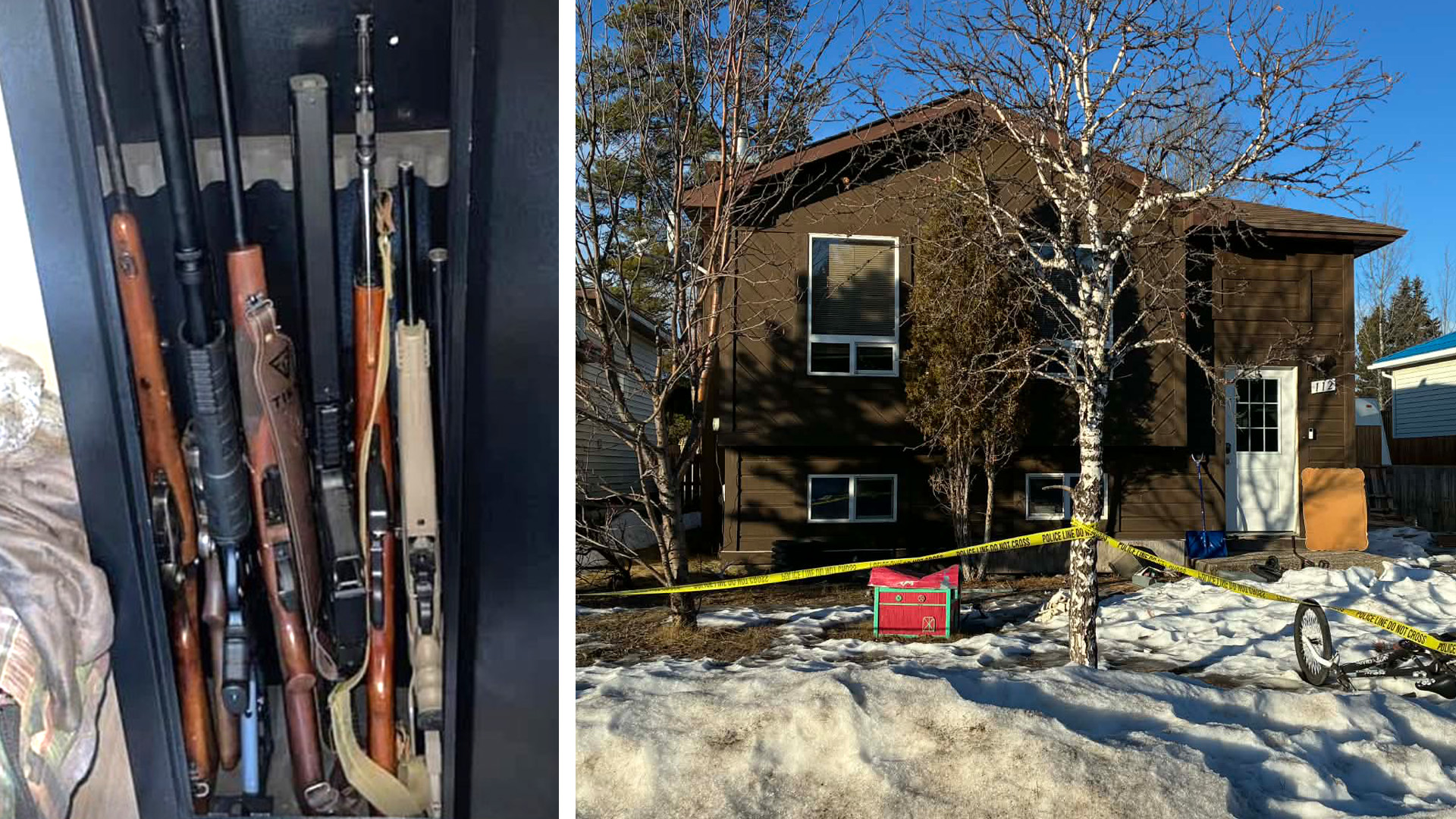
Questions are being raised about why guns confiscated from the home of the suspected killer in Tuesday’s Tumbler Ridge mass shooting were returned before the attack.
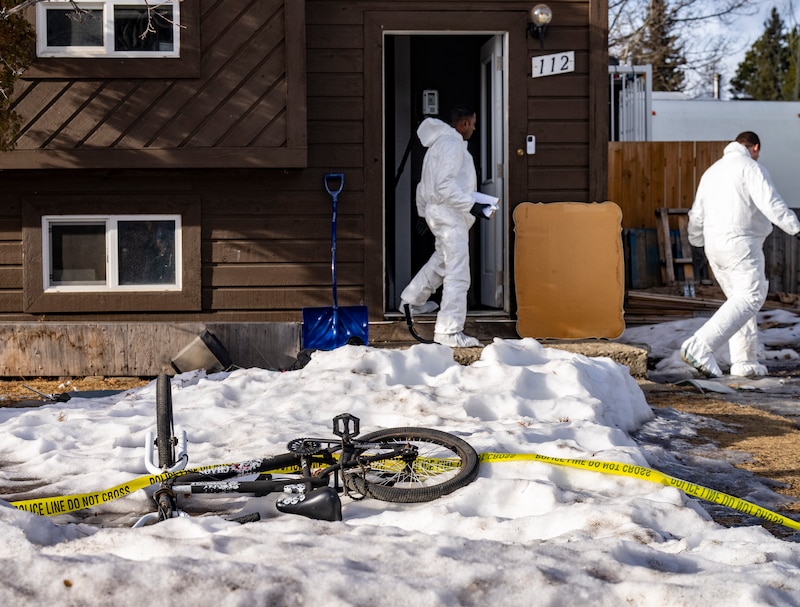
Those unanswered questions come as Jesse Van Rootselaar’s well-documented history of mental illness becomes more apparent—a history that included visits from police and a detention under the Mental Health Act.
Elenore Sturko, former RCMP officer and Independent MLA for Surrey-Cloverdale, noted that when someone’s guns are confiscated, it is their “legal right then to make an application to have those firearms returned.”
“So for what reason they were returned, what arguments were made, who those firearms belonged to and whether or not they were the firearms used in this attack, those are questions that need to be answered,” she said.
Police have not revealed whether the guns retrieved from the scene are the same ones taken by police and then returned.
While the returned firearms were not linked to Van Rootselaar directly and belonged to someone else in the household, gun control advocates say there are rules in place that can allow authorities to prevent guns being in a home in certain circumstance—including when there is a person dealing with mental illness.
“For me, it comes down to leadership, courage and erring on the side of public safety,” said Wendy Cukier, the president of the Coalition for Gun Control. “The laws are there. The discretion is there. The mechanisms are there. Maybe the resources need to be improved, but we have the tools—it’s whether or not we’re prepared to use them.”
Details of the family’s troubles are also emerging.
A 2015 court ruling, which denied Van Roostelaar’s mother’s request to move her children to the East Coast, reads: “These children have led an almost nomadic life…with multiple moves over the last five years between Newfoundland, Grande Cache and Powell River.”
The Canadian Coalition for Firearm Rights also questioned why guns were returned to a household with a person suffering from severe mental illness.
“The firearms were seized out of that home for good reason, if you look down the list of the warning signs or red flags for the last half a decade,” said Rod Giltaca with the organization, who stressed the vast majority of gun owners comply with strict Canadian laws.
“This individual, the perpetrator, should not have had access to firearms. No responsible adult or human being of any age would have allowed that. So my question, for the RCMP, is how did they get guns in their proximity?”
Police say a long gun and a modified handgun were found at the school, but so far will not confirm whether those guns were linked to the shooter’s home.