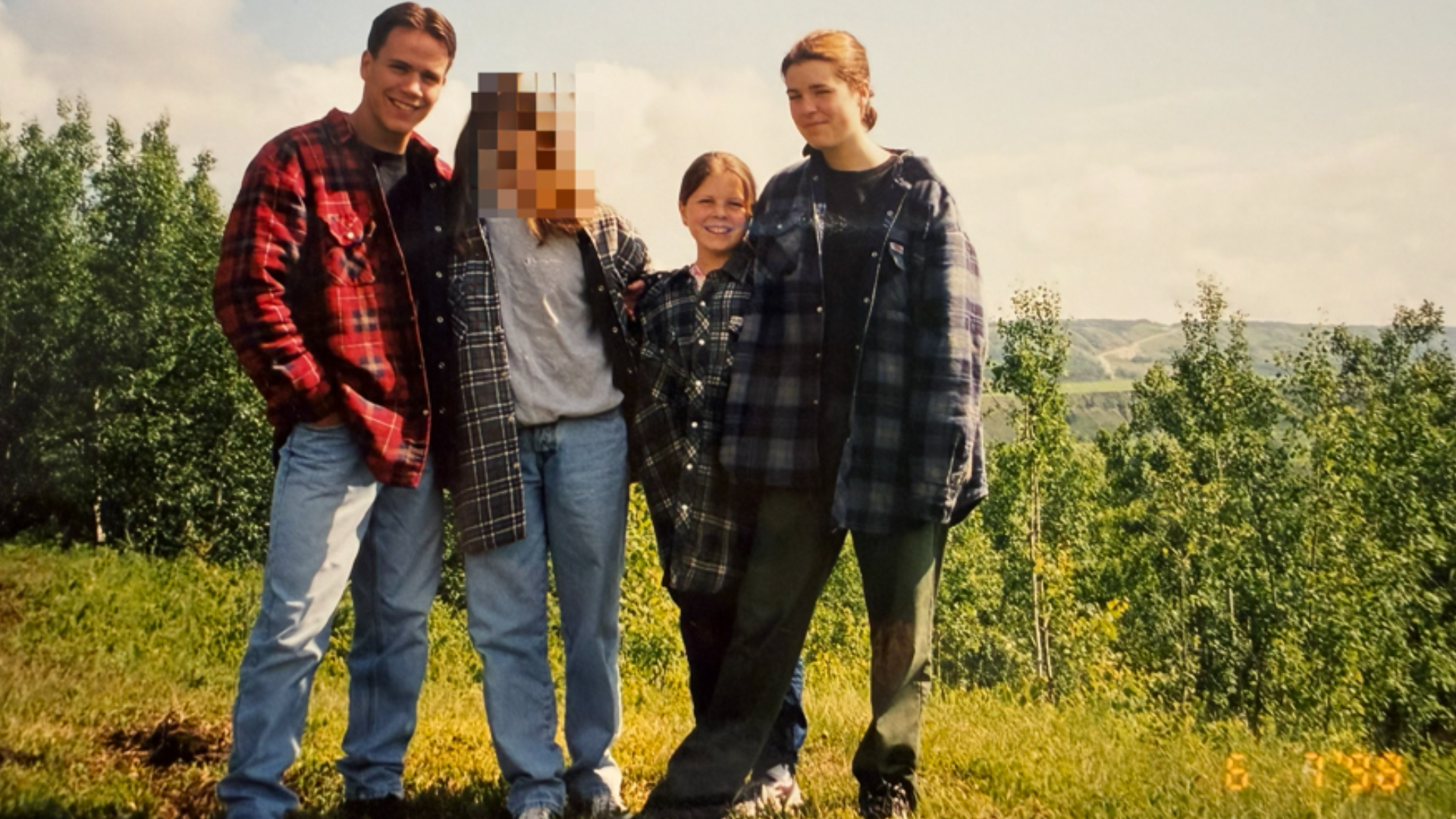
FORT ST. JOHN, B.C. – The victim of convicted sex offender Justin Sewell says she is discouraged by a Parole Board of Canada decision granting him full parole, arguing the board has failed to answer key questions about what he has done to address his sexual offending and demonstrate rehabilitation.
The Parole Board granted full parole to Sewell on October 13 following a review, concluding he does not present an undue risk to society and that his release would contribute to his reintegration as a law-abiding citizen.
The board imposed five special conditions on his release, including prohibitions on contacting the victim and her sister, geographic restrictions, internet restrictions, pornography restrictions, and a requirement to report relationships with women.
The victim, Sewell’s sister-in-law, said she remains frustrated that she and her sister still have not received answers about Sewell’s rehabilitation.
“It’s discouraging that Justin has been granted full parole when we still don’t know what he’s done to address his sexual offending or demonstrate rehabilitation,” said Vienna Luke. “We repeatedly requested another parole board hearing and were denied.”

Vienna said Sewell had already been permitted to return to Fort St. John multiple times each month while on day parole.
“Justin has been given his freedom, while we’re still looking for answers. The system has made room for him to move on, but has failed to give victims the same consideration,” Vienna said.
According to the parole decision, the board reviewed victim impact statements that opposed parole and raised concerns about the number of travel passes Sewell had been granted.
One victim statement to the Parole Board questioned why Sewell had been recently granted permission to go on a hunting trip, something the sisters had independently confirmed.
They raised concerns about an offender convicted of a violent sexual offence participating in an activity involving weapons, particularly given that his sentence also carries a 10-year firearms prohibition.
The board acknowledged the victims questioned whether Sewell had achieved sufficient rehabilitation and whether he was ready for full parole.
Under the conditions of his full parole, Sewell cannot contact or communicate with Vienna, her sister Shawnessy Luke, or their immediate family members. He is also prohibited from coming within 500 metres of places where they are known or likely to be.
Additional conditions prohibit him from accessing pornography, require approval before using internet-enabled devices and compel him to report sexual and non-sexual relationships with women to his parole supervisor.
The Parole Board said the conditions were necessary to protect both the victim and the public.
In its decision, the board noted the victim deserved to live in her community “without fear of contact” from Sewell.
It also said restrictions on internet use and pornography remained important because Sewell had identified pornography as a contributor to his offending behaviour.
The board’s decision reviewed Sewell’s history while on day parole, noting he had complied with his release conditions, participated in counselling and engaged extensively with a therapist specializing in the assessment and treatment of sexual offending.
It cited actuarial risk assessments that found him at a low risk of reoffending and said his behaviour in the community had not raised concerns.
Vienna questioned whether compliance with release conditions and low-risk assessments adequately demonstrate rehabilitation, particularly given Sewell’s history of offending without detection.
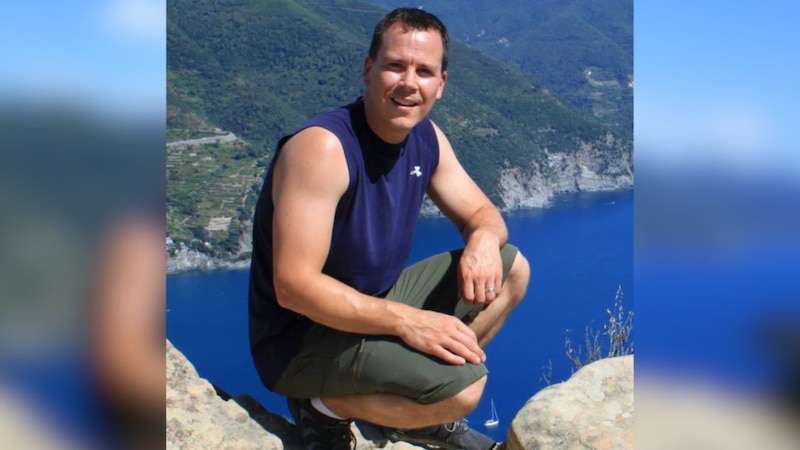
Vienna says that following the rules while on parole isn’t the same as taking real accountability for what you’ve done.
“On April 2, the Parole Board decided Justin wasn’t ready for full parole. So what’s changed? What has he actually done to address his offending? We keep asking these questions, and no one will give us a clear answer. And when you consider how long he was able to get away with what he was doing without anyone knowing, being told he’s low risk doesn’t mean a whole lot to me,” said Vienna.
Despite those findings, the board also recognized the serious harm caused by his crimes.
Sewell is serving a federal sentence for sexual assault, secretly observing or recording nudity or sexual activity, and secretly observing or recording nudity in a private place.
The offences stemmed from a 2007 incident in which he drugged and sexually assaulted Vienna, who was living in his home, and secretly photographed her.
The board described the crimes as a profound breach of trust that caused significant and lasting harm to the victim and her family.
Shawnessy Luke said the sisters are also upset that a recent meeting with representatives from Correctional Service Canada and the Parole Board took place after the decision-making process was already underway.
“We specifically requested a hearing instead of a paper review because we wanted to know what he’s actually done to address his sexual offending and demonstrate rehabilitation,” she said. “We’ve never received meaningful answers.”
The sisters say they may consider raising their concerns with the federal ombudsman’s office.