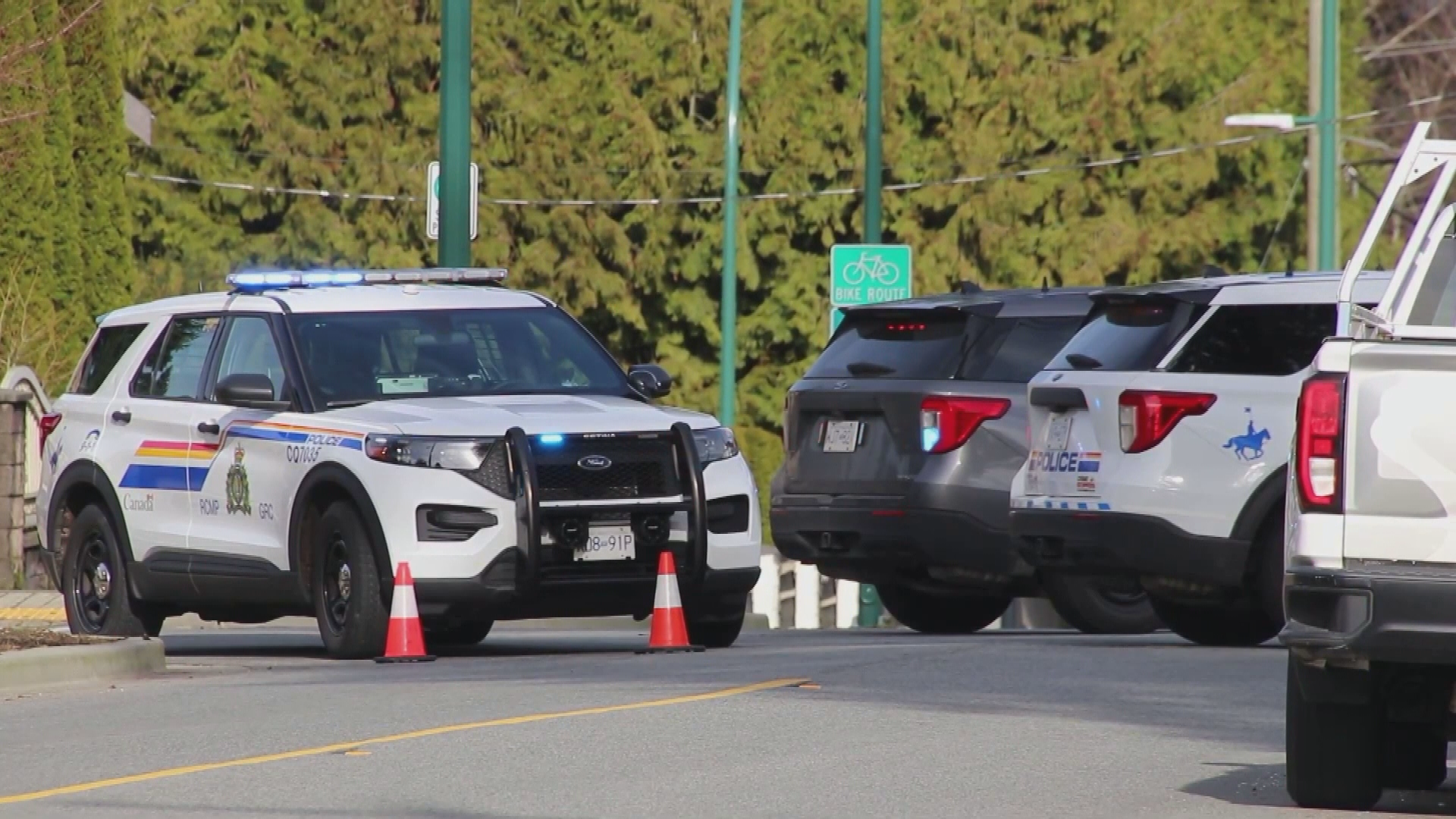
The recent tragedy in Tumbler Ridge has renewed difficult questions around school safety and how prepared students and staff are for active shooter situations.
For UBC student Adam French, the news hit close to home. He told CTV News incidents like this are tragically familiar to him as someone who grew up in the United States.
“I’ve had quite a few friends who’ve been involved in school shootings very similar to this one,” French said. “I went to high school in Michigan. One of my best friends had a sibling who was killed.”
French said thinking about safety is something he has carried with him since childhood.
“It’s something you have to think about legitimately, like, ‘OK, like, if this does happen, what am I going to do?’”
Recent threats at several Tri-Cities schools have raised similar concerns locally. CTV News reached out to both the Coquitlam School Board and Coquitlam RCMP for information on their safety protocols. They declined to comment at this time.
The Vancouver School Board provided a statement emphasizing its approach to preparedness:
“The safety of students and staff is a top priority for VSB and we maintain a close working relationship with (the Vancouver Police Department) and RCMP. Schools throughout the district regularly practice emergency procedures such as earthquake, fire and lockdown drills.”
Ashley Meehan, the CEO of Alliance Security, said the key to robust protocols is repetition.
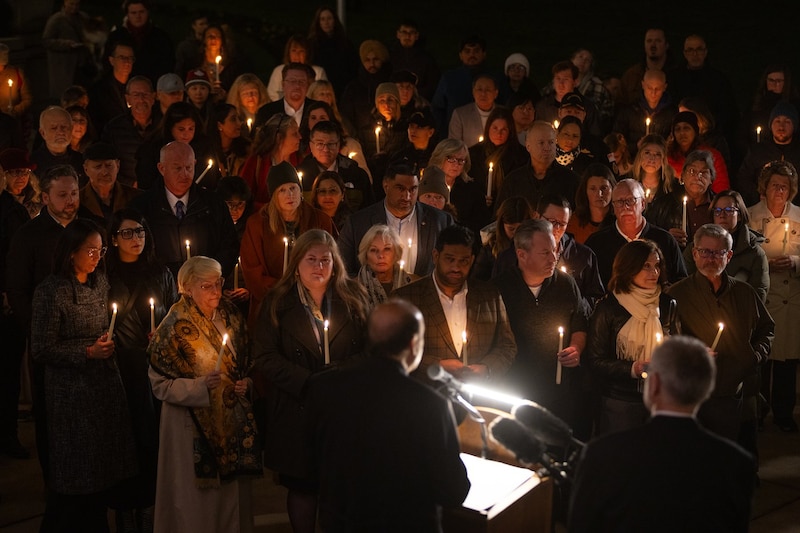
“It is important to be prepared,” Meehan said. “The challenge with these situations, because it’s such a rare occurrence, you know, you can provide the training, but it’s something you want to keep providing to have updates of that training.”
Meehan pointed to emerging tools that can identify potential threats earlier than ever before.
“There’s camera systems that can be used with AI to identify weapons, or if a weapon is drawn, that can alert those monitoring cameras,” Meehan said.
Russ Robinson, the director of safety and security for Bellingham Public Schools in Washington said the school district runs lockdown drills two to three times annually. Part of the lockdown drills are barricading students and teachers in classrooms.
“(That) is really how can we buy time and protect our students from an active threat on campus until we can get law enforcement or first responders on site to deal with that threat,” Robinson said.
He added that once the physical danger is over, the emotional aftermath becomes the next challenge for communities to navigate.
“How do we help the community and the school heal from a tragic event like that?” Robinson said.