Researchers are claiming that rare cancers in Northeast BC are increasing at an alarming rate, due to oil and gas activity.
A Dawson Creek family doctor and researchers from UBC and the University of Toronto made the claims in a presentation to Dawson Creek city council.
Dr. Ulrike Meyer has been a family physician in Dawson Creek for over 30 years. Dr Meyer said the exposure to contaminants from nearby fracking, is to blame for the increase in rare cancers.
Dr Ulrike said, “A number of my physician colleagues left our community citing concerns about the health impacts of living so close to fracking as one reason for the departure.”
Dr. Margaret McGregor, with the UBC Department of Family Practice and Dr. Élyse Caron-Beaudoin, a PhD researcher with the University of Toronto were also part of the presentation.
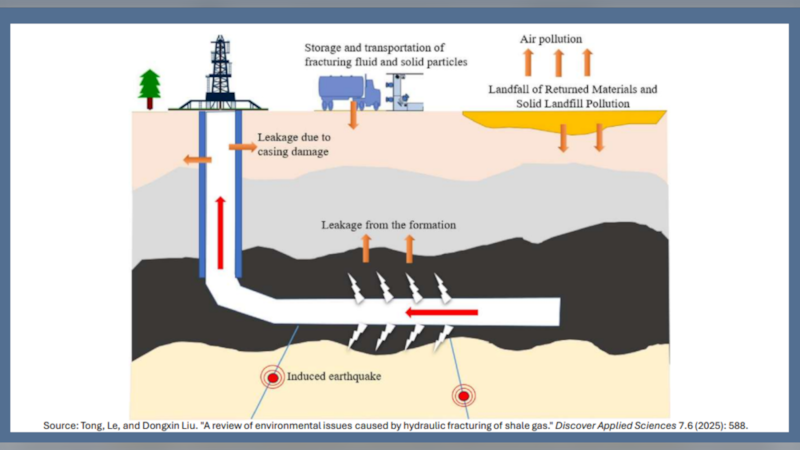
Researchers say that fracking fluids contains a large number of pollutants When there are leaks, many of the chemicals contains toxicity in human cells.
Over a two months period in 2023, the researchers performed 25 lung biopsies in Dawson Creek. They said that 23 of those biopsies came back positive for cancer. The normal rate is 15 for a whole year.
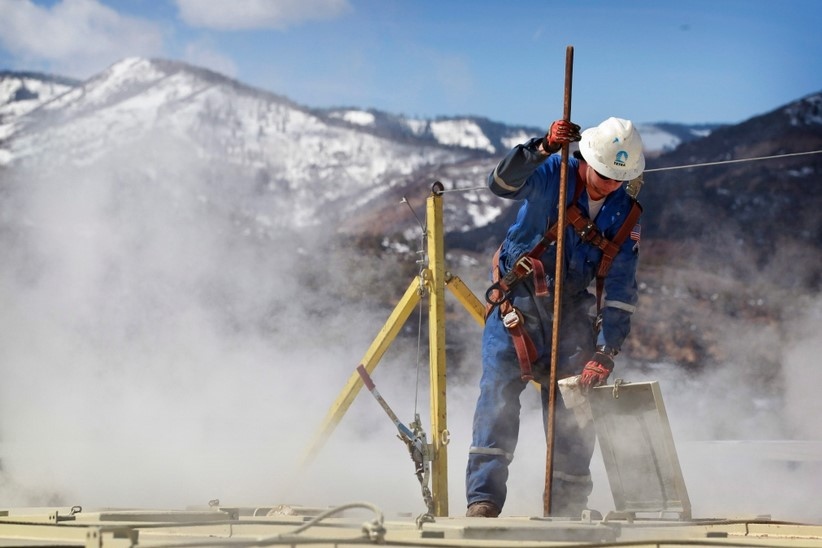
With 30,000 wells and counting, the Northeast region of British Columbia is one of Canada’s most important hubs of hydraulic fracturing, or fracking – the process of blasting pressurized liquid at rock formations to fracture them and release the natural gas trapped inside.
But in addition to releasing gas, the researchers say that fracking also causes the emission of chemicals that can cause or exacerbate health problems including birth defects, cancers and asthma.
Dr. Caron-Beaudoin said that access to exposure information has been made difficult by the province and health authorities .
Dr. Caron-Beaudoin said publicly available exposure data in the region from the BC Energy Regulator shows that air quality is not measured 24 hours a day, 7 days a week and that all pollutants are not routinely monitored.
“A big challenge of exposure assessment is the logistics and cost – it costs a lot of money to go to remote areas and have air quality sampling and water quality sampling,” Dr. Caron-Beaudoin says. “Hopefully our project can provide tools to estimate exposure accurately without having to rely on traditional exposure assessment methods that are costly and difficult to implement.”