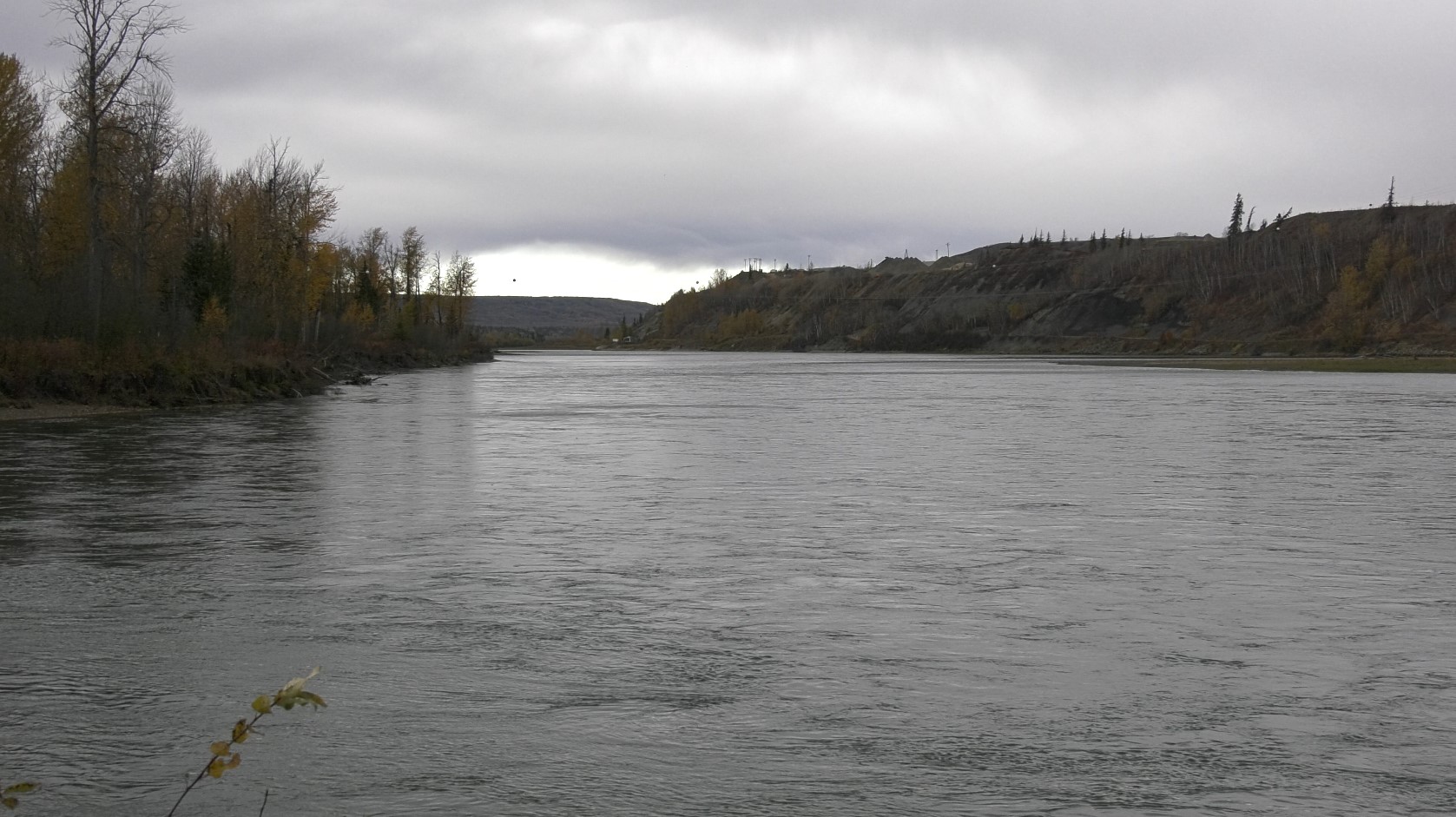
The City of Dawson Creek is facing criticism over its $100-million pipeline project which would bring drinking water from the Peace River to the city’s reservoir.
The BC Energy Regulator and several First Nations raised concerns during the early engagement phase.
Concerns include the size of the project, how it would be financed, and whether excess water would be sold to energy companies.
Dawson Creek Mayor Darcy Dober said the engagement phase is the first step in the process, and the city will use the feedback it received to consider potential changes to the project.
“At the end of the day, it doesn’t take away from the fact that we need a sustainable water source for our residents,” Dober said.
The Kiskatinaw River is the city’s current water source, and a long-standing drought has forced the city to look for solutions.
The city has asked the province to fast-track or exempt the pipeline project from a full environmental assessment.
The city said the need for water security is urgent, while regulators questioned in written submissions whether the project is being fast-tracked based on financial considerations and industrial water sales, instead of the community demand.
According to the province’s early engagement record, which summarizes submissions from regulators and First Nations, the city is applying for about five times more water than it currently uses every year.
The Kiskatinaw River serves about 15,000 people from Dawson Creek, Pouce Coupe, and surrounding areas.
Provincial engagement documents show the city currently uses up to 2.4 million cubic metres of water per year but is applying for a license of about 14.6 million cubic metres annually.
Dober said the proposed volume allows the community to be protected for as long as possible, adding that the city wants to ensure the project is done right.
“We’re not trying to build a pipeline to get us through today. It’s about thinking 50 or 100 years into the future, and we don’t know what our water usage will be then,” he said.
The BC Energy Regulator said that volume is not justified by population growth, and argues a smaller project focused on community use would be cheaper
Provincial regulators also raised concerns, saying the on-going drought situation doesn’t only affect the Kiskatinaw River, but also the Peace River.
Dawson Creek’s mayor said the city doesn’t know how to fully finance the pipeline yet.
“If there’s some kind of partnership to get that done, we want to explore that. Whether that’s a provincial, or federal partnership, or an industry partnership, such as agricultural, forestry,” he said.
However, Dober noted that the main goal of the project is to serve people of the South Peace.
He said the city is not trying to take advantage of the situation, while achieve that goal.
“We’re as transparent as you can be. We’re not here to hide anything or trying to pull the wool over anybody’s eyes,” the mayor said.
Some First Nations described the water as sacred and are also not supporting industrial water use.
Engagement documents show several First Nations said they could support a pipeline if it is limited to the needs of the community.
Dober added that the city is open to work toward addressing all concerns.
CJDC-TV News reached out to the BC Energy Regulator to request an interview. The regulator declined and directed us to its EAO summary report.
Doig River First Nation also declined to comment, while Saulteau First Nations didn’t respond by the deadline.
Construction on the pipeline could begin to begin in two to three years, pending provincial approvals.