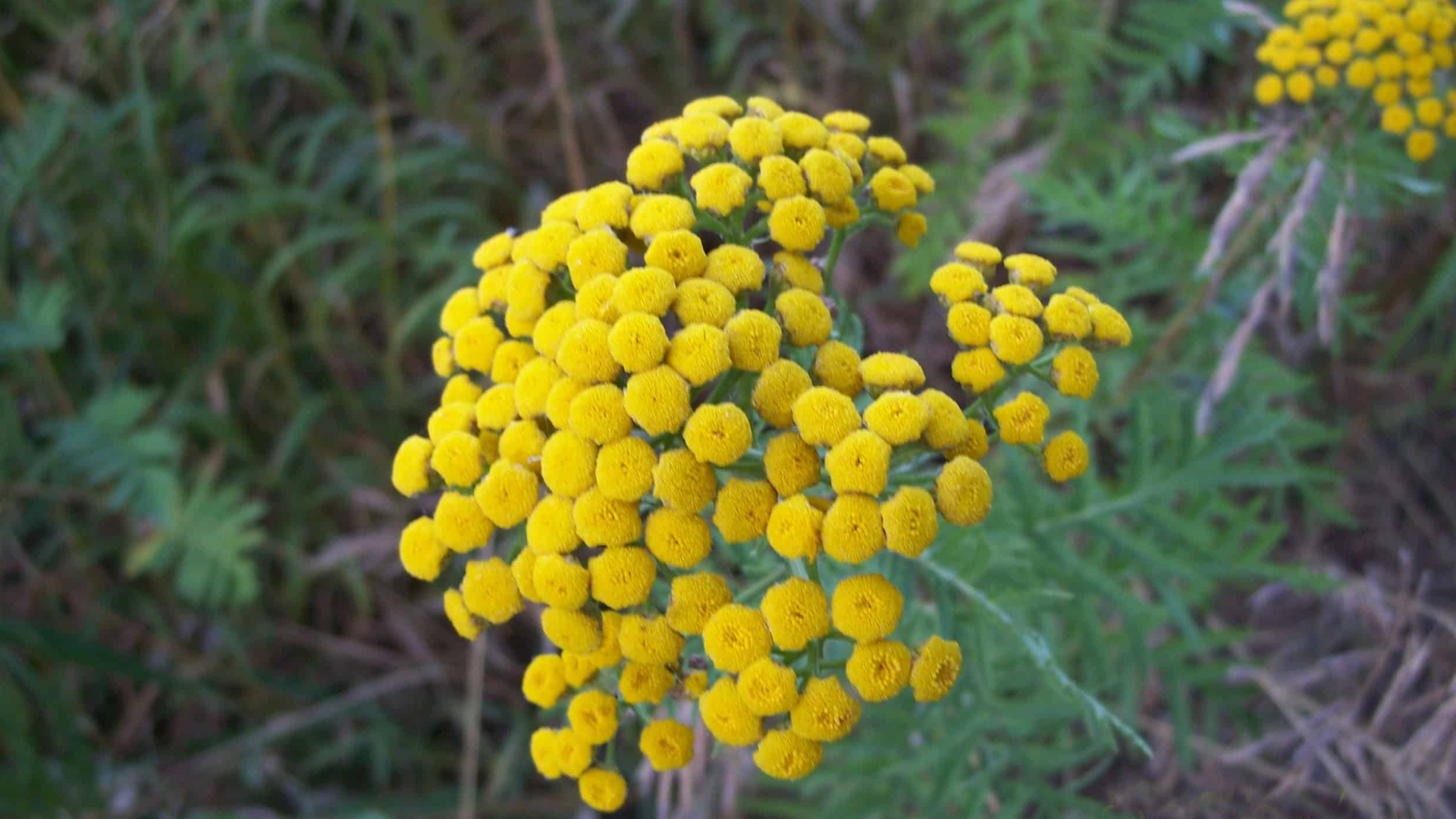
DAWSON CREEK, B.C. - The Peace River Regional District is reminding residents to keep an eye out for invasive plants this summer, with a renewed focus on common tansy, a species the district says is a high priority for eradication and containment.
The PRRD says common tansy is a flowering plant with fern-like leaves and clusters of flat-topped, yellow button-shaped flowers that typically bloom from mid- to late summer.
The plant can grow between 50 and 150 centimetres tall and has a distinctive scent similar to camphor with hints of rosemary. Both the leaves and flowers are toxic if consumed in large quantities.
According to the regional district, invasive plants can cause significant environmental and economic damage by displacing native species, reducing biodiversity and degrading habitats.
Some species can also affect agriculture, increase wildfire risks and pose hazards to people, livestock and wildlife.
The PRRD is asking residents who spot common tansy to report it and avoid composting the plant.
Small infestations can be pulled, placed in clear bags and disposed of free of charge at the Bessborough, Chetwynd and North Peace regional landfills, as well as attended transfer stations, excluding Dawson Creek and Mile 62.5.
Residents can report invasive plants through the PRRD’s reporting system, by contacting the regional district directly, or by using the provincial Report Invasives app.
The regional district says reports should include photos and detailed location information to help specialists respond quickly.
Common tansy is one of several high-priority invasive plants identified by the PRRD.
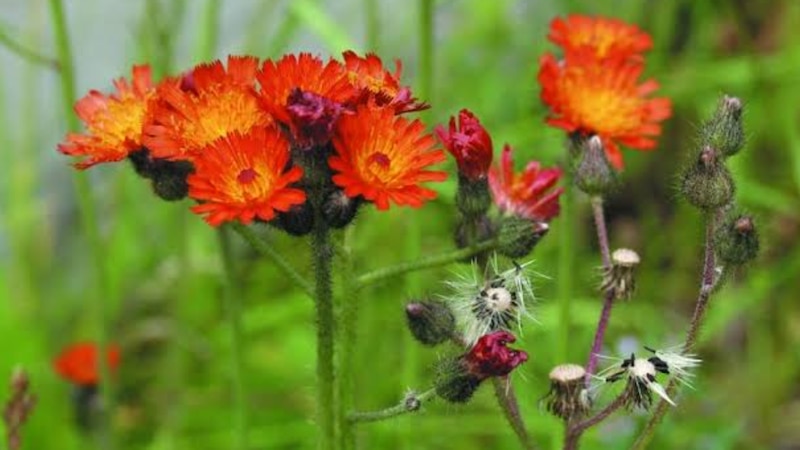
Others include burdock, comfrey, green foxtail, orange hawkweed, Russian thistle, spotted knapweed and yellow hawkweed.
The regional district says the goal is to eliminate these species from the area before they spread to vulnerable ecosystems and agricultural lands.
The PRRD notes that all landowners and occupiers within the region are responsible for controlling listed invasive plants on their property under applicable legislation and local bylaws.
More information about identifying and reporting invasive plants is available through the Peace River Regional District.