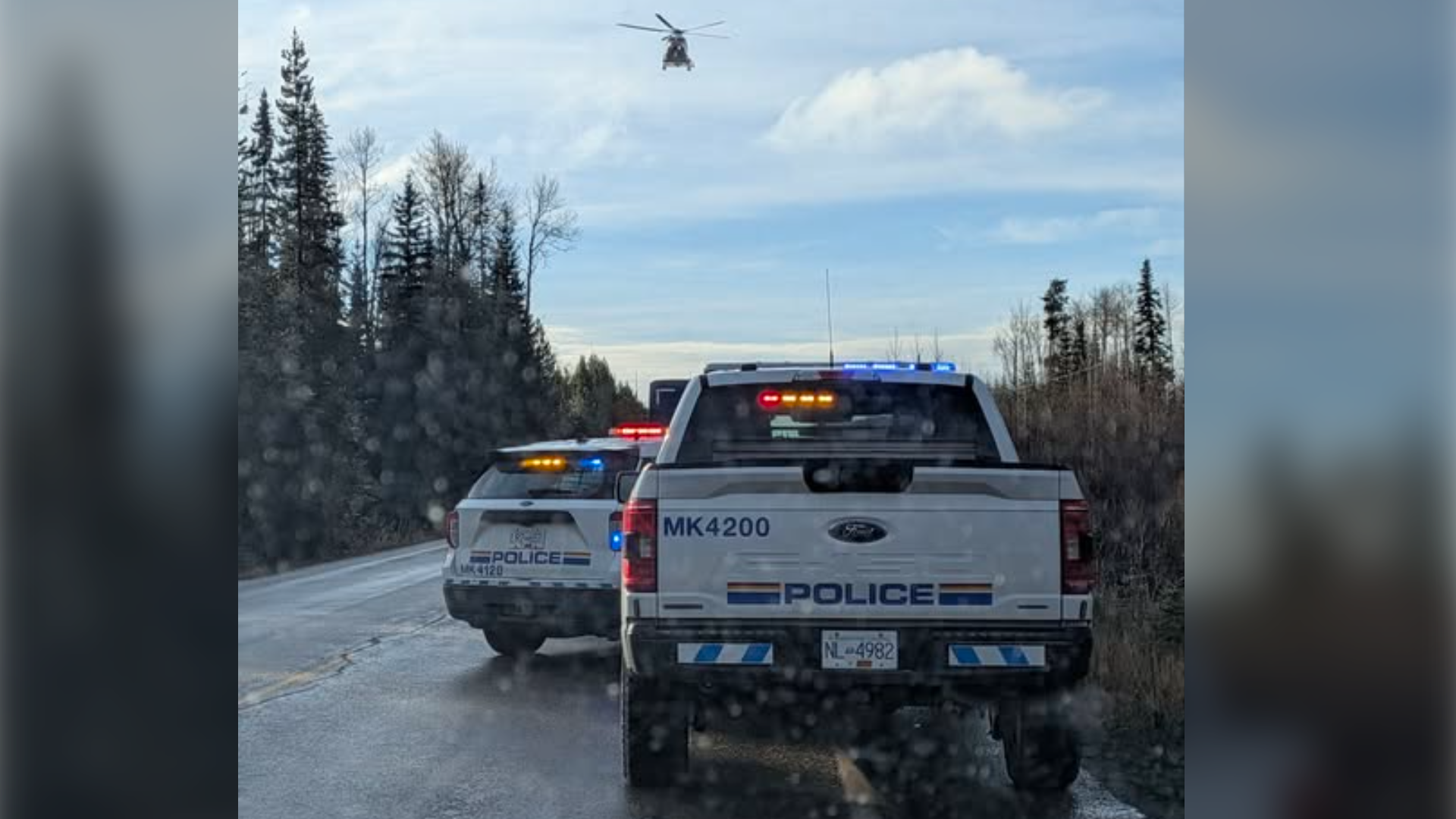
The recent bus crash near Mackenzie is renewing calls for a helipad at the University Hospital of Northern British Columbia in Prince George, with local leaders arguing that every minute matters when treating critically injured patients.
Twenty people were injured when a shuttle bus carrying workers went off Highway 39 south of Mackenzie on Wednesday.
According to BC Emergency Health Services, one patient was airlifted directly from the scene in serious condition, while six others were transported by ground ambulance before being flown to another hospital for treatment.
Thirteen additional victims were taken to hospital in stable condition.
The crash has highlighted a long-standing concern in northern B.C. healthcare: Prince George remains the province’s only major regional trauma and referral centre without an on-site hospital helipad.
Air ambulance patients currently land at the Prince George Airport and are then transported roughly 15 kilometres by ground ambulance to UHNBC.

Bob Zimmer, Member of Parliament for Prince George-Peace River-Northern Rockies, says the Mackenzie crash demonstrates why direct helicopter access is critical.
“I think that’s just a life-saving thing,” Zimmer said. “Most people anticipate it’s there, and they’re surprised to hear that it isn’t.”
Zimmer said northern communities face unique challenges because of the vast distances involved in emergency care.
“Seconds matter when somebody is faced with a life-threatening injury,” Zimmer said. “It seems pretty obvious that we need to have helicopter access for our hospitals.”
The comments echo concerns raised by Prince George Mayor Garth Frizzell and Mackenzie Mayor Pete Kyllo, who issued a joint statement following the crash.
“This tragic incident also serves as a reminder of the importance of a helipad being included in the new acute care tower at the University Hospital of Northern British Columbia,” the mayors said.
The City of Prince George says patients transported by air ambulance have been landing at the airport since 1993 before being transferred to the hospital by ground ambulance.
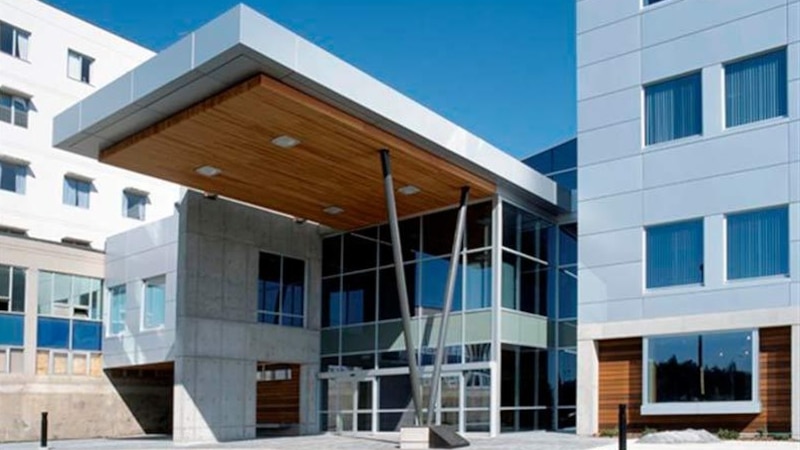
While the drive from the airport to UHNBC can be completed relatively quickly under ideal conditions, supporters argue that even a few minutes can be crucial when treating severe traumatic injuries.
Emergency medicine often refers to the “golden hour” following a serious injury, a period during which rapid access to definitive medical treatment can significantly improve a patient’s chances of survival and recovery.
Zimmer said the Mackenzie crash is a reminder that trauma patients in northern B.C. need the fastest possible route to care.
The Province committed in 2024 to building a helipad as part of the overall UHNBC redevelopment project.
However, Prince George city officials say neither the original plan nor a recently announced redesign includes an on-site helipad despite ongoing advocacy from local governments and healthcare stakeholders.
As discussions continue, supporters say the Mackenzie crash has put renewed focus on a question many northern residents are asking: if every minute counts in an emergency, should northern B.C.’s primary trauma centre have helicopters landing directly at its doors?