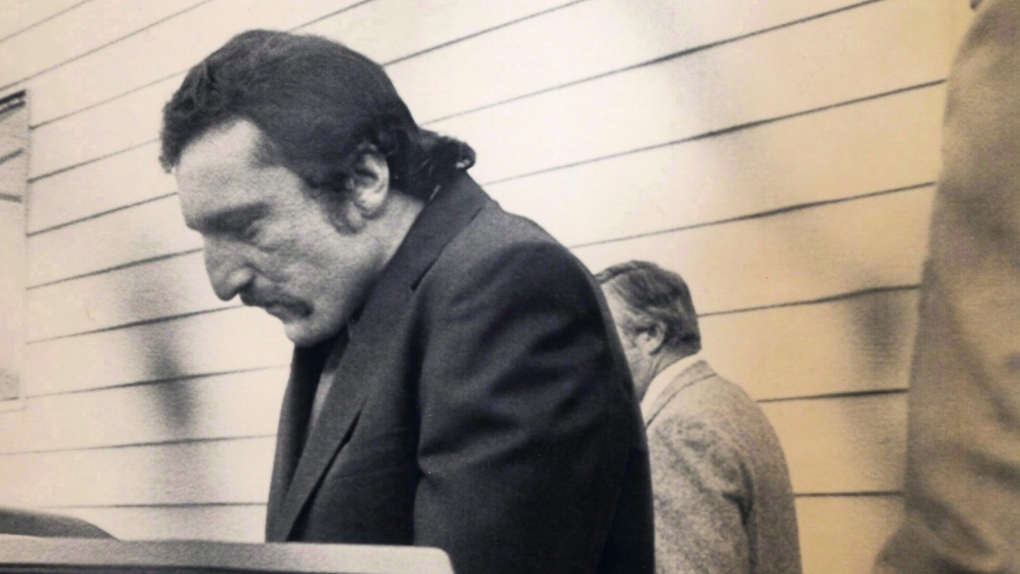
TUMBLER RIDGE, B.C. - The Parole Board of Canada has denied full parole for David William Ennis, the man serving a life sentence for the murders of six members of a family in B.C. more than four decades ago.
In a decision dated Aug. 19, 2026, the board concluded Ennis would present an undue risk to society if released and said full parole would not contribute to public safety or his reintegration as a law-abiding citizen.
Ennis, who changed his last name from Shearing, is serving a six concurrent life sentences for six counts of second-degree murder. He was eligible for parole after 25 years.
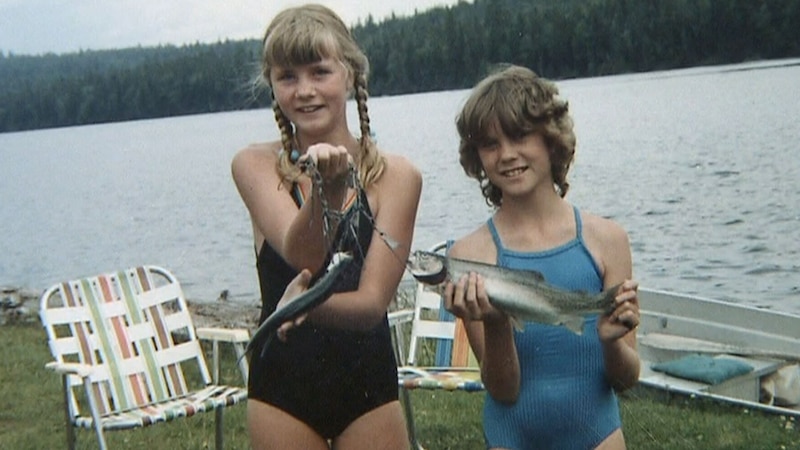
He is responsible for the murders of George and Edith Bentley, their daughter Jackie and son-in-law Bob Johnson, and the Johnsons’ young daughters, Janet and Karen.
The killings happened in 1982 while the families were camping in Wells Gray Provincial Park, near Clearwater in south-central BC.
The board’s decision recounts how, in August 1982, Ennis watched his victims at a campsite for several days before fatally shooting four adults.
He then kept two young girls alive for several days, sexually assaulted the older child and later killed both girls.
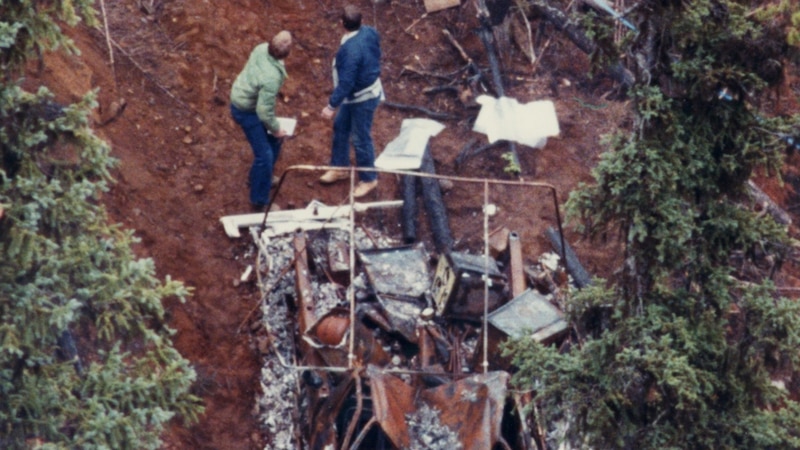
He subsequently set fire to the victims’ vehicle in an attempt to conceal the crimes.
The murders became one of British Columbia’s most notorious criminal cases.
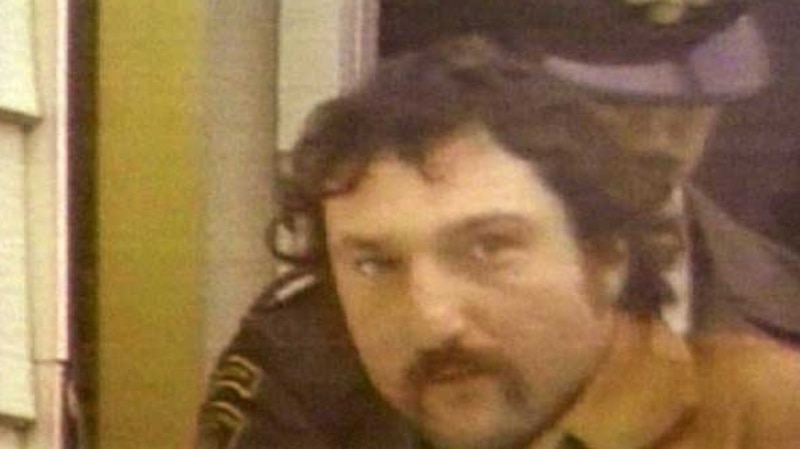
Ennis was arrested in November 1983 after RCMP investigators identified him as a suspect and found him in possession of some of the victims’ personal property.
He was arrested in the Tumbler Ridge area before later pleading guilty to the killings.
According to the parole decision, the sentencing judge described the killings as the “senseless, ruthless, cold-blooded slaughter of six innocent and defenceless victims” and said the crimes devastated three generations of a single family.
The board noted numerous victim statements remain on file from family members, friends and community members who continue to oppose Ennis’ release.
Those statements describe the lasting trauma caused by the murders and the ongoing impact on survivors and relatives more than 40 years later.
Ennis has spent his entire federal sentence behind bars and has never been granted a form of conditional release.
While the board acknowledged he has completed correctional programs, maintained relatively good institutional behaviour and pursued education and vocational training, it found concerns remain about his risk of violent and sexual reoffending.
A June 2026 psychological assessment reviewed by the board found Ennis posed a moderate risk for general offending, sexual recidivism and violent recidivism if released on full parole.
The assessment also stated his risk could become unmanageable if sexually deviant fantasies were to re-emerge.
The board further noted Ennis remains classified as a medium-security offender and has not yet participated in escorted or unescorted temporary absences, work releases or other gradual community-based release measures.
In denying parole, board members said Ennis had not demonstrated a viable release plan and that his risk of reoffending remains elevated.
“After considering all of the available information, the Board finds that your risk for reoffending remains elevated,” the decision states. “As a result, it is the Board’s opinion that you would, by reoffending, present an undue risk to society if released.”
The Parole Board of Canada officially denied Ennis’ application for full parole on August 19.