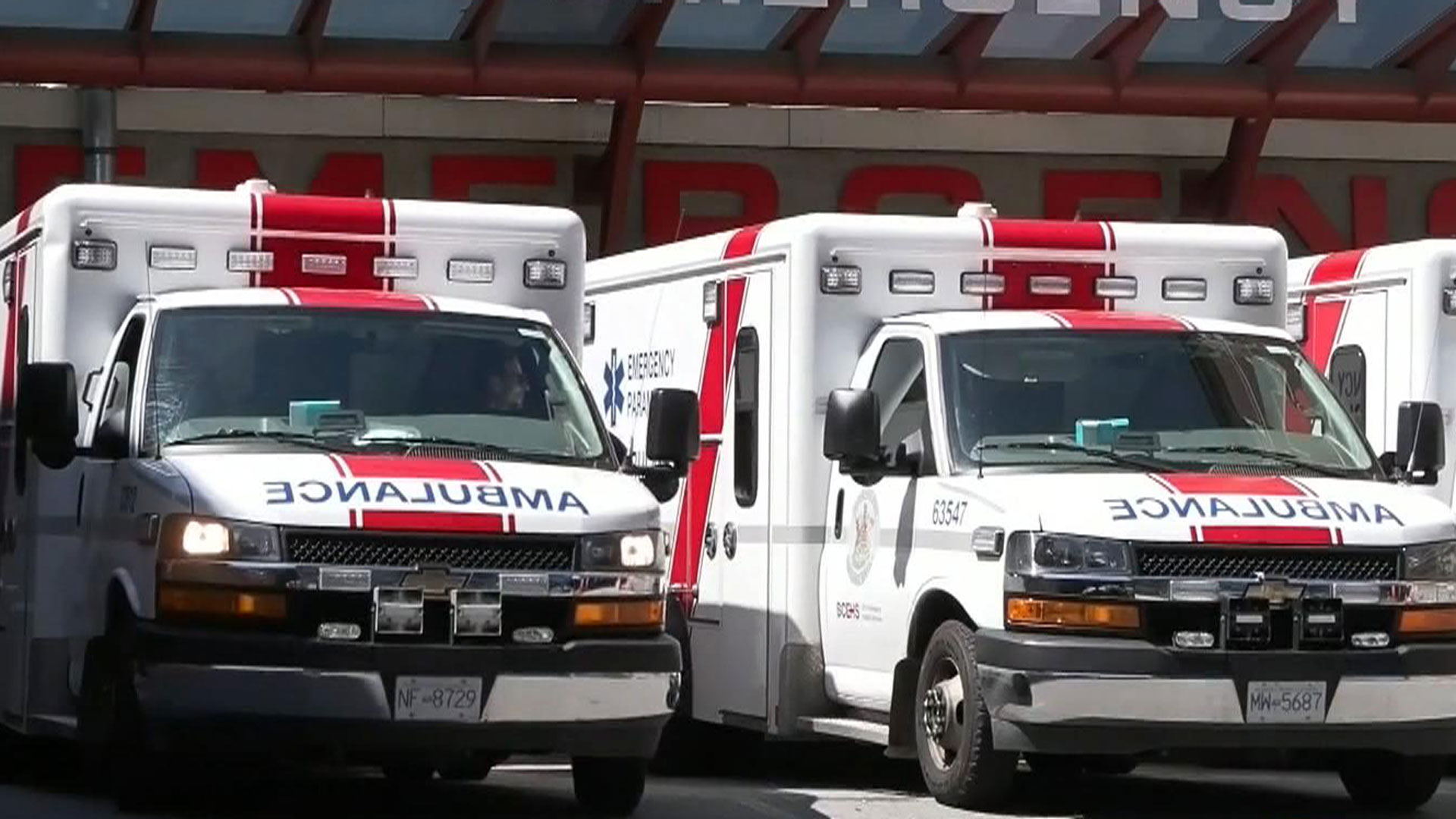
A paramedics strike in B.C. has been narrowly avoided after the union representing more than 6,000 ambulance paramedics and emergency dispatchers reached an agreement in principle with the province following months of negotiations.
The Ambulance Paramedics of BC-CUPE 873 said Friday it has a tentative deal with BC Emergency Health Services, the Health Employers Association of BC and the provincial government, days after the union voted in favour of strike action.
“This is where we wanted to be,” APBC president Jason Jackson said in Friday’s statement. “Our members showed overwhelming unity with a 97 per cent strike vote, and that solidarity directly helped bring all parties together to reach a deal.”
Nearly 80 per cent of members participated in the vote, which ran from Feb. 2 through 16 after talks stalled before Christmas and made limited progress in January, according to the union.
The union has said wages were essentially settled earlier in bargaining, with a general wage increase of 12 per cent over four years accepted by APBC. The dispute instead centred on mental health supports to address burnout and rising psychological injuries.
Under the new agreement, APBC communications director Ian Tait says, the union was able to “significantly improve” the per person allotment of mental health funding.
“We kind of had a lower or below-industry-standard number and we just thought, ‘You know, for what we do as first responders, this just isn’t appropriate,’” said Tait. “Especially after last year—we had a really hard year with mental health with our members.”
The APBC sounded the alarm last summer after a fourth paramedic died by suicide, marking an annual record just eight months into the year.
“We’re deeply concerned that these figures are lagging indicators of the extreme workload, chronic understaffing, and an increase in call volumes our members face daily,” Jackson said at the time.
On Friday, Tait confirmed there had been a fifth suicide by the end of 2025.
- Related: B.C. paramedics in crisis: Deaths by suicide soar as a third receiving mental health treatment
“Our members told us loud and clear that this is something that we needed to improve and we needed to move forward on, and that’s what we were able to do,” said Tait.
While a strike has been avoided, for now, the deal still needs to be finalized.
APBC says details of the tentative agreement will be presented during a province-wide tour, both in-person and online, ahead of a ratification vote.
“These negotiations were difficult, but the process worked,” Jackson said in the release. “This is an agreement our members can be proud of that will ensure improved service delivery and a more stable ambulance service for British Columbians.”
Tait emphasized that the union believes improved working conditions for its members will also benefit society as a whole.
“A lot of the things we fought for, the training we secured … we want to improve the profession, the ambulance service, not just for ourselves but for the very people we service,” said Tait.
With files from CTV News Vancouver’s Ben Miljure and Penny Daflos