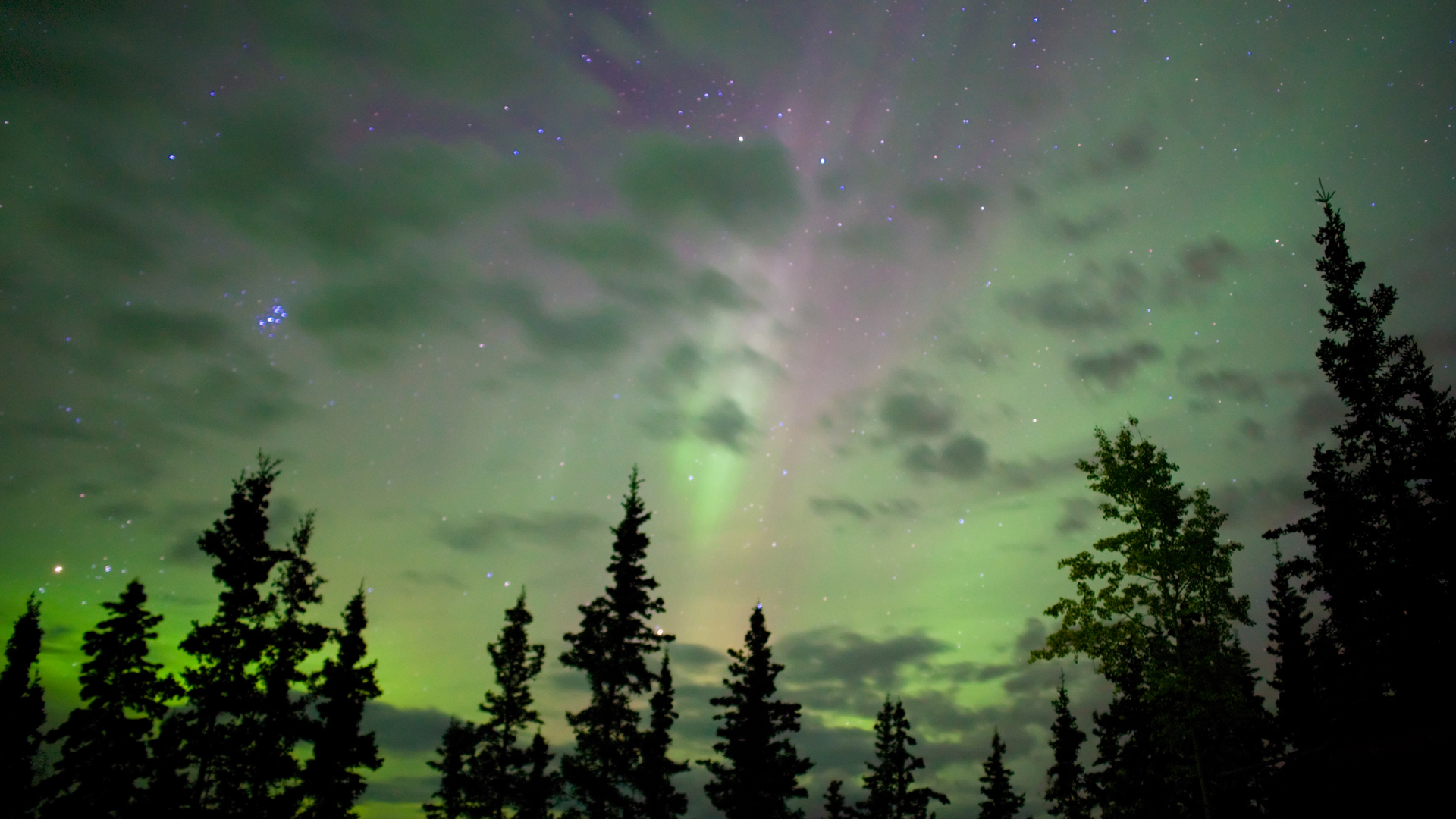
Peace Region residents may get a glimpse of the northern lights this week as a strong geomagnetic storm heads towards Earth.
The U.S. National Oceanic and Atmospheric Administration’s (NOAA) Space Weather Prediction Center has issued a G3, or “strong,” geomagnetic storm watch for June 4 and 5 after a series of powerful solar eruptions sent multiple clouds of charged particles toward the planet.
Forecasters say three coronal mass ejections (CMEs) - massive bursts of plasma and magnetic fields from the sun - are expected to interact with Earth’s magnetic field, potentially creating favourable conditions for aurora viewing across parts of Canada.
The activity follows a string of significantly solar flares, including two strong M-class flares and a X-class flare, among the most powerful categories of solar eruptions.
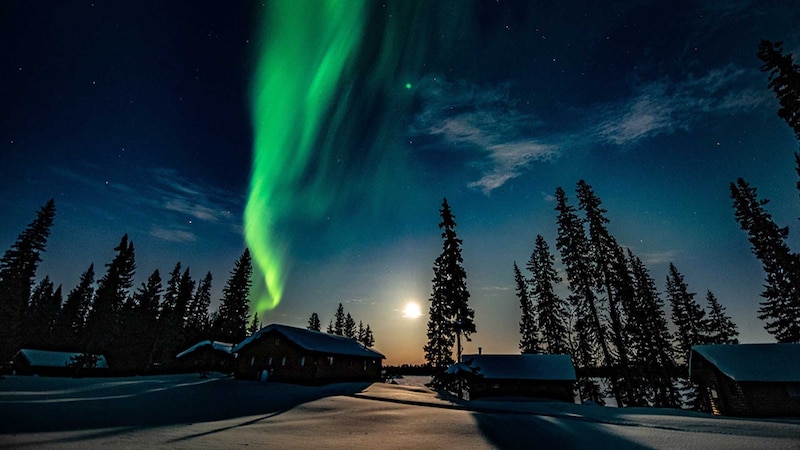
Scientists say some of the associated CMEs appear to be Earth-directed and could combine as they travel through space, increasing the likelihood of solar storms.
A G3 storm is considered strong on NOAA’s five-level scale. Such events can occasionally cause minor disruptions to power systems and satellite operations, but they can also push the aurora father south than usual.
While exact viewing locations depend on the storm’s intensity and local weather conditions, northern and central parts of Canada could have opportunities to see the aurora if skies remain clear.
The best viewing conditions are typically away from city lights and under dark skies.
NOAA says the timing and strength of geomagnetic storms remain difficult to predict precisely and forecasts may be adjusted as solar material approaches Earth.
The agency’s Aurora Dashboard provides updated visibility forecasts as conditions evolve.