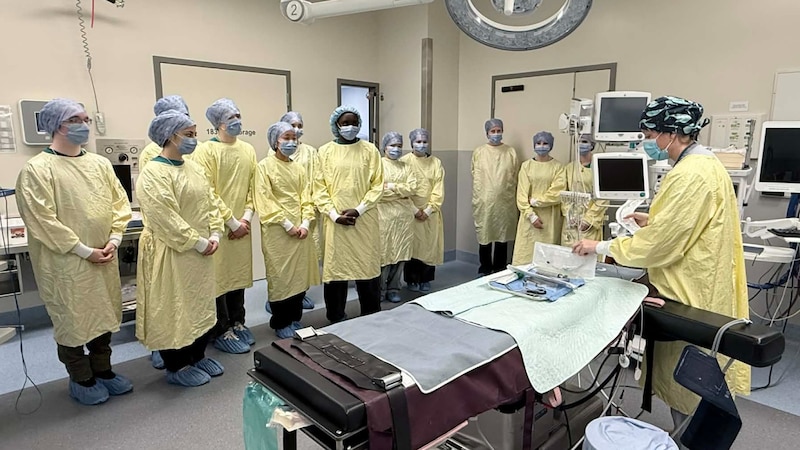
As part of an ongoing effort to strengthen the local health-care workforce, Northern Lights College is launching two new programs aimed at filling some of the region’s most in-demand jobs.
At the April 30 Peace River Regional District board meeting, Northern Lights College leadership presented the programs as part of an update on NLC Cares — a three-year initiative focused on developing strategies to support health care in the Peace Region.
Through NLC Cares, the college developed an allied health programming strategy to examine which new programs would have the greatest impact in the region.
The college is adding a Pharmacy Technician Diploma offered through Selkirk College, starting in August.
“Pharmacy technician was at the top of our list — the highest in-demand of the allied health professions,” said Nicole Dolan, dean of health sciences and human services.
Pharmacy technicians work with pharmacists and other health-care professionals to promote wellness, prevent disease and manage chronic conditions, while ensuring accurate preparation and dispensing of medications.
NLC is also launching a Mental Health and Addictions certificate in January 2027. The entry-level certificate was created in partnership with Selkirk College and North Island College.
Students will learn a holistic, trauma-informed, harm-reduction and strength-based approach to assessing, planning and supporting individuals with complex needs.
The Ministry of Post-Secondary and Future Skills is funding both programs as pilots in the first year. NLC can secure annual funding if it demonstrates all seats can be filled.
NLC Cares was created in 2023 when construction began on the new Dawson Creek and District Hospital. At the time, the college asked the Peace River Regional District to help fund the project.
“As the training provider in the region, we felt a deep responsibility to do what needed to be done to meet some of these health-care needs,” said Dr. Tara Hyland-Russel, vice-president of academic and research.
While both programs will help fill specific gaps, Northern Health continues to have a high number of nursing vacancies.
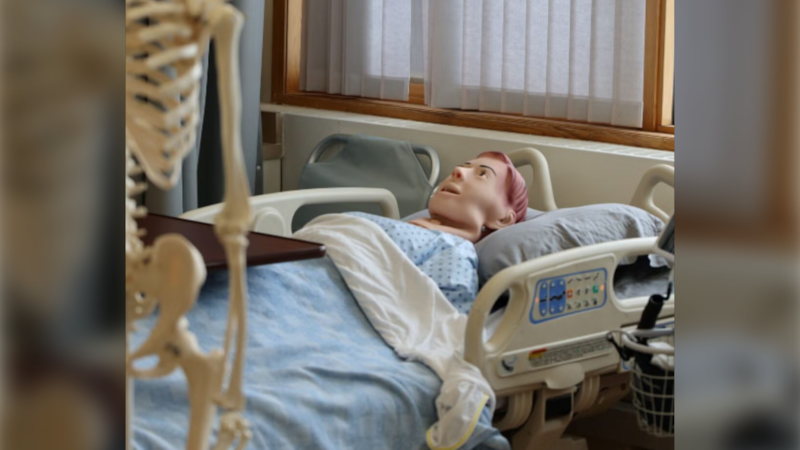
In March, NLC unveiled a new health-care training lab at its Fort St. John campus, expanding hands-on learning opportunities for students.
Before the addition, students across the Peace Region had to travel to Dawson Creek for training — a challenge for many.
Now, college officials say they are planning to add two-bed training labs in Chetwynd and Fort Nelson to further reduce barriers. “That can be a game-changer in small communities,” Dolan said.
Overall, NLC is working to create local pathways into careers in health care. It starts by planting a seed at a young age through camps, high school consultations and events such as Adventures in Health Care.
“We want to continue to grow our own people to stay in the North,” Hyland-Russel said. “We know that when we train local people, they’re going to stay here. They’re going to contribute to the community.”