After four years of ongoing drought, including periods of severe conditions, Northeast B.C. is officially no longer in drought, according to the province’s latest drought update.
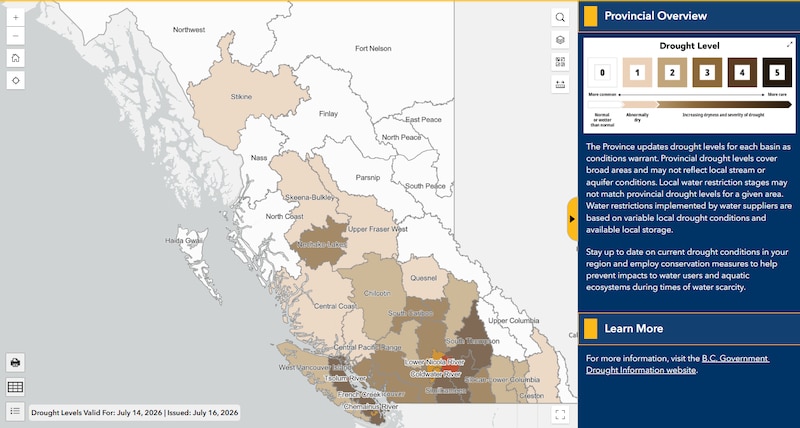
Data released through the provincial drought portal shows the North Peace, South Peace, East Peace and Fort Nelson basins are all currently listed at Drought Level 0, indicating normal conditions and no active drought across the region.
Natasha Cowie, a hydrologist with the River Forecast Centre, said the change reflects a dramatic improvement from the prolonged dry conditions that have affected the region since late 2022.
“Currently, it’s not,” Cowie said when asked whether Northeast B.C. is in drought conditions. “The words that come to mind as well are cautious optimism.”
The improvement follows an above-normal winter snowpack, a healthy spring run-off and timely rainfall through late spring and early summer.
Cowie said those factors have left the region “much better set up for success” heading into the hottest and often driest part of the year than it has been in several years.
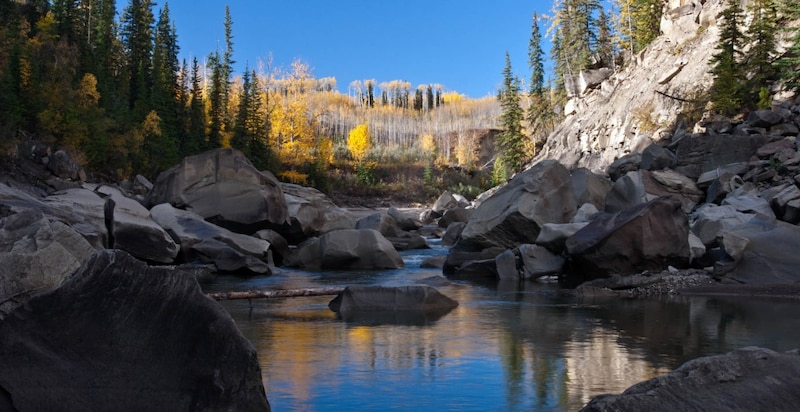
The River Forecast Centre says river levels across much of the region remain near normal or even above normal for this time of year.
However, the forecast centre cautions the rivers are beginning their typical summer decline as snowmelt contributions disappear and waterways become more dependent on rainfall.
Cowie cautioned against interpreting the latest update as a permanent end to drought concerns.
“I don’t want people to take away from this, we’re out of drought, problems resolved,’” she said. “It was an exceptionally severe drought and exceptionally prolonged.”
Instead, she said residents, municipalities and farmers should view the current situation as encouraging but temporary.
Conditions could deteriorate quickly if the region experiences an extended period of hot, dry weather later this summer.
While provincial drought metrics now show normal conditions, the River Forecast Centre continues to monitor several indicators, including stream flows, precipitation and drought indices that measure both moisture supply and atmospheric demand.
According to Cowie, those measurements currently support a Level 0 designation across Northeast B.C.
Some watersheds remain more vulnerable than others. Cowie noted the Kiskatinaw River basin has seen less precipitation than some neighbouring areas and could return to drought conditions more quickly if the weather pattern shifts toward prolonged heat and dryness.
The City of Dawson Creek relies on the Kiskatinaw River as its primary water source. The City declared a local state of emergency in October 2025 as water levels fell to critical lows.
The drought update offers welcome news for communities across the Peace Region, where years of drought have raised concerns over water supplies, agriculture, fisheries and wildfire risk.
But even as the region celebrates a return to normal conditions, provincial hydrologists say vigilance remains essential.
The headline may be that Northeast B.C. is officially out of drought for the first time in years, but the message from experts is clear, enjoy the good news, while keeping a close eye on the weather.