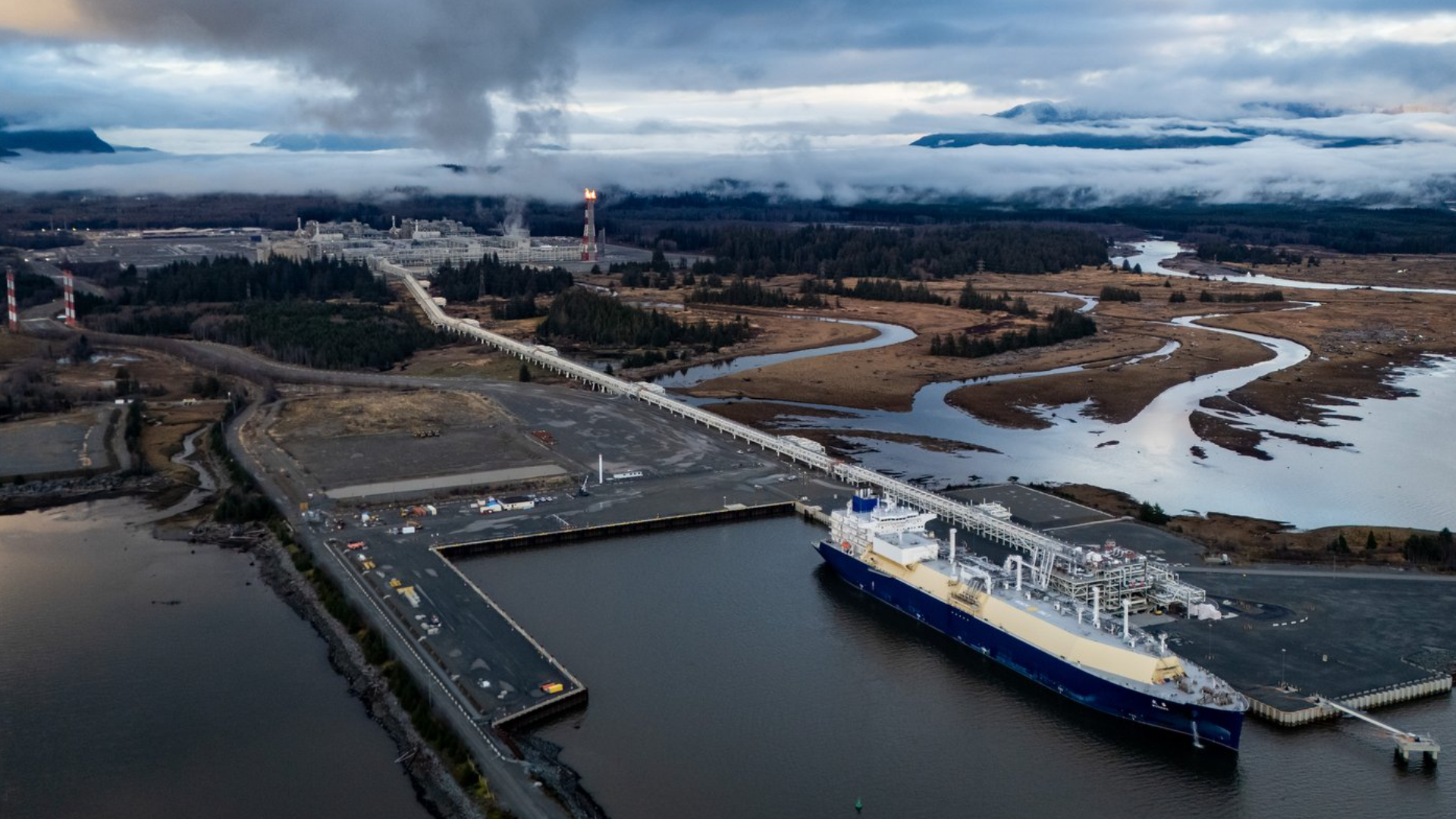
DAWSON CREEK, B.C. - LNG Canada’s decision to move ahead with a major expansion of its export terminal in Kitimat could have significant implications for the Peace Region, potentially creating new demand for natural gas produced from the Montney formation and supporting economic activity across northeastern B.C.
LNG Canada announced Tuesday that its joint venture partners, including Shell, PETRONAS, PetroChina, Mitsubishi Corporation and KOGAS, have made a final investment decision on the project’s second phase.
The project is expected to double the facility’s liquefied natural gas export capacity from 14 million tonnes per year to 28 million tonnes.
“LNG Canada Phase 2 is another nation-building investment that demonstrates Canada can build big things when governments, First Nations partners, local communities, skilled trades, contractors and investors work together with shared purpose,” said Chirs Cooper, president and CEO of LNG Canada.
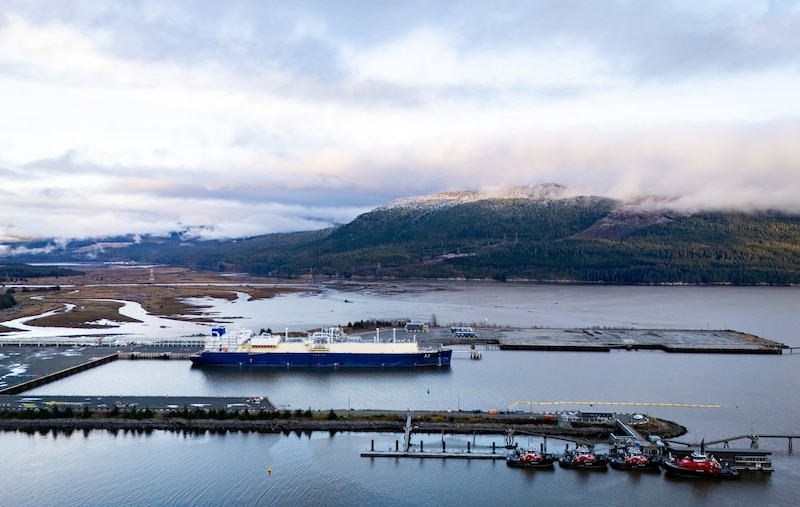
The expansion includes two additional LNG processing trains, a new storage tank, expanded loading infrastructure and upgrades to supporting systems at the Kitimat site.
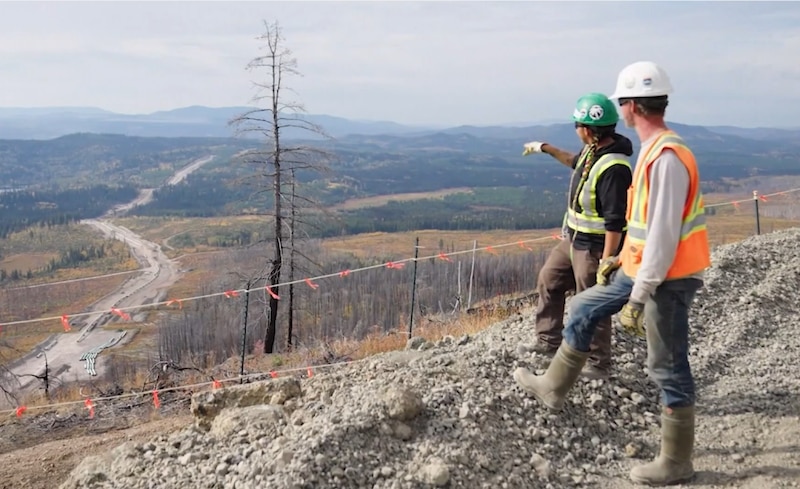
LNG Canada is also working with Coastal GasLink to expand the capacity of the existing 670-kilometre pipeline that carries natural gas from northeast B.C. to the coast. Five new compressor stations are planned along the route.
Links to the Peace Region
While construction will take place primarily in Kitimat and along the Coastal GasLink corridor, the project’s connection to the Peace Region lies in the gas supply itself.
Natural gas exported through LNG Canada comes from the Montney formation, one of North America’s largest natural-gas producing regions, which spans northeastern B.C. and northwestern Alberta.
The Coastal GasLink pipeline begins in the Dawson Creek area before transporting gas west to Kitimat.
The expansion could create additional demand for Montney gas production, potentially benefiting producers and service companies operating throughout the Peace Region.
Increased drilling activity can generate work for contractors involved in well servicing, trucking, equipment supply, pipeline construction and related oil-and-gas services.
The Canada Energy Regulator has identified the Montney as a key driver of Canadian natural-gas production growth, with increased drilling and improved well performance supporting higher output.
More LNG export capacity creates another major market for natural gas from northeast B.C.
Thousands of jobs anticipated
LNG Canada expects Phase 2 construction to support up to 4,000 jobs at the Kitimat facility during peak construction, while approximately 2,100 additional jobs are expected to be required for the Coastal GasLink expansion and new compressor stations.
The company says the project will also create additional contracting and business opportunities across northern B.C. and throughout supply chains connected to the expansion.
“Phase 2 will double LNG Canada’s capacity to 28 million tonnes a year, putting LNG Canada on a trajectory to become one of the largest LNG facilities in the world and helping move Canada toward becoming one of the world’s top five LNG exporting nations,” Cooper said.
Federal Energy and Natural Resources Minister Tim Hodgson called the expansion a major investment in Canada’s energy sector.
“LNG Canada’s decision to move forward with Phase 2 is a massive vote of confidence in Canada,” Hodgson said. “At a time when our country must build a stronger economy that allows us to be an energy superpower for the long term, this is exactly the kind of investment Canada needs.”
Economic impact remains to be seen
It remains unclear exactly how many jobs, contracts or procurement opportunities could flow directly to communities such as Dawson Creek and Fort St. John.
However, industry observers say the larger long-term impact may come from increased natural-gas production in the Montney if global demand for Canadian LNG continues to grow.
Any increase in drilling would likely have ripple effects throughout the region’s resource-based economy.
The announcement also comes as other major energy infrastructure projects continue to advance in the region, including pipeline and processing expansions aimed at increasing capacity for natural-gas liquids and condensate.
For the Peace Region, the LNG Canada decision represents more than an investment taking place hundreds of kilometres away on the North Coast.
The gas that will help supply the expanded facility originates beneath northeastern B.C., making the region a key link in Canada’s growing LNG export industry.
The extent of the economic benefits, however, will depend on future natural-gas prices, producer investment decisions and the amount of additional gas required to supply the expanded export terminal.
With files from The Canadian Press