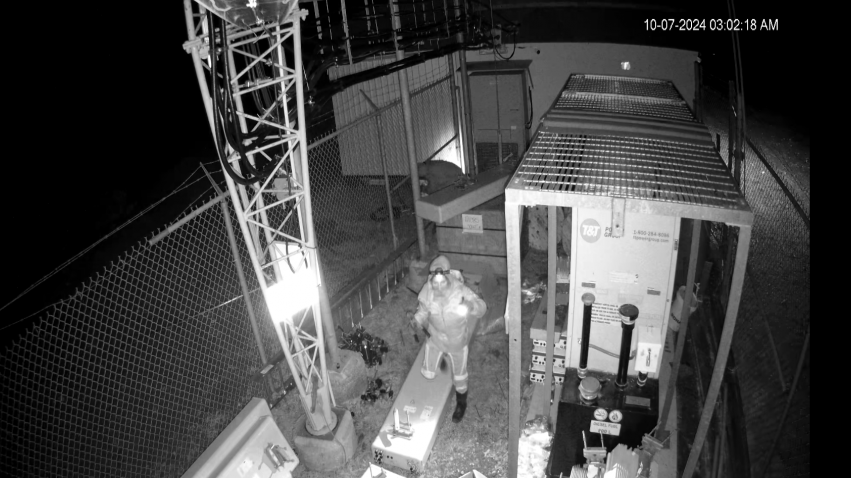
FORT ST. JOHN, B.C. - Copper wire theft is causing millions of dollars in damage at oil and gas facilities across the Peace Region, with one industry operator warning the problem is making it uneconomical to bring some dormant sites back into production.
According to Mark McDermott, an operations superintendent with a smaller natural gas producer that operates more than 200 sites across northeast B.C. and parts of Alberta, the company has become a frequent target for thieves looking to profit from rising copper prices.
McDermott said he is speaking publicly in an effort to raise awareness about the growing problem and its impact on the industry.
He said thieves are targeting inactive facilities in areas including Tumbler Ridge, Chetwynd and Fort St. John, stripping valuable copper wire from equipment, transformers and underground electrical systems.
According to McDermott, the thefts have become increasingly common since lower commodity prices forced many sites to shut down years ago.
“These vandals basically kind of realized that there was an opportunity there with these sites sitting unsupervised,” McDermott said.
Remote Sites Difficult to Protect
The company manages hundreds of well and facility locations spread across a vast geographic area, making security a significant challenge.
McDermott said many sites are located in remote areas and are visited periodically rather than staffed full-time.
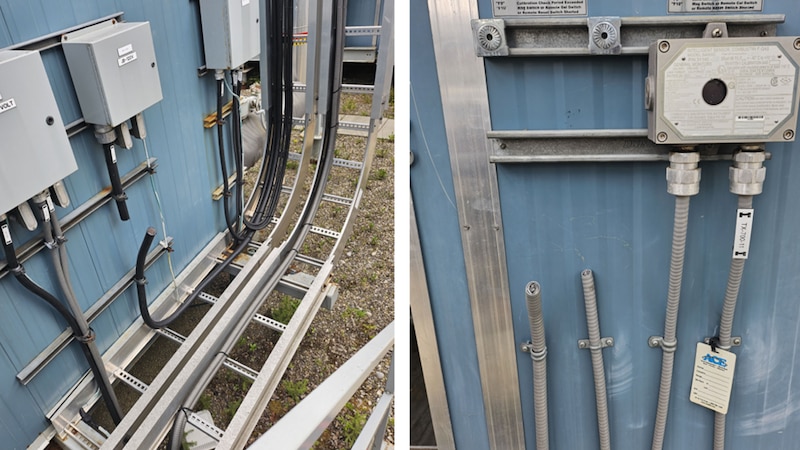
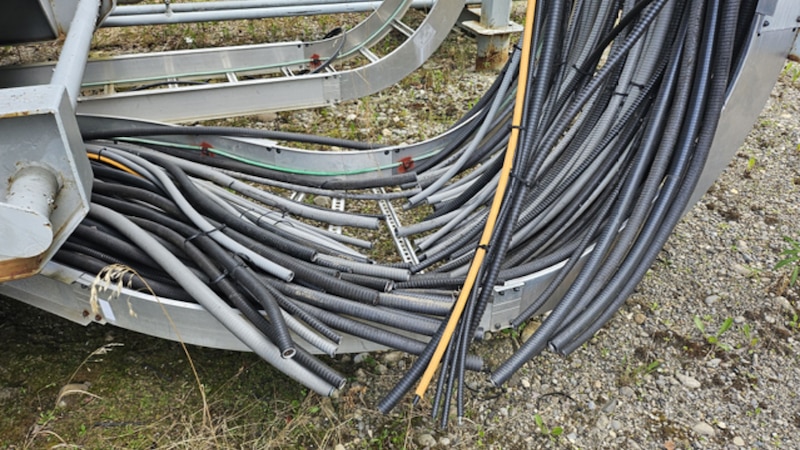
Thieves primarily target copper grounding wire and electrical cables, which can fetch about $6 per pound at scrap yards. In some cases, crews have cut cables from active facilities.
At inactive sites, offenders often remove grounding systems, tear apart equipment and even dig up buried power cables to access the metal.
One recent incident involved thieves using a small excavator at an inactive compressor station in the Tumbler Ridge area to remove underground cable. Another site suffered extensive damage after its transformer was dismantled.
Costs Far Exceed the Value of Stolen Copper
The financial impact extends far beyond the value of the stolen metal.
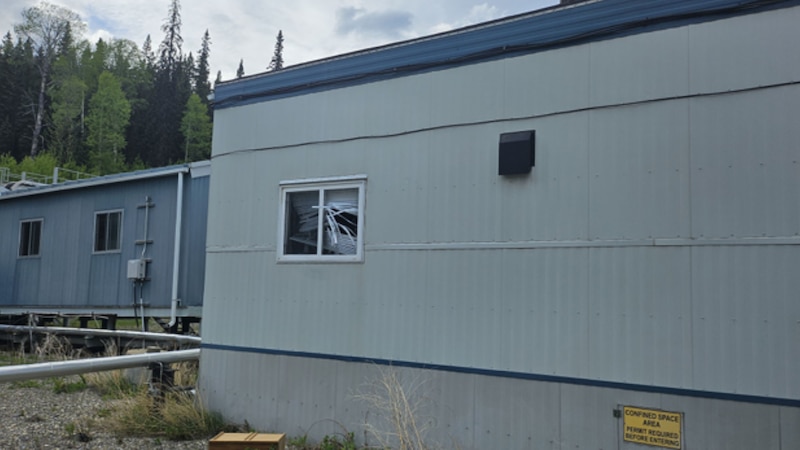
McDermott estimates a single compressor station near Tumbler Ridge has suffered roughly $1 million in damage over the last several years. He said replacing stolen wiring, damaged equipment, buildings and infrastructure can effectively force operators to rebuild facilities from the ground up
“It’s not just me that’s missing out on the revenue. The government’s missing out on all the royalties from that site as well,” he said.
While many facilities are fenced, McDermott said barriers have done little to stop determined thieves.
“They actually took a track hoe and actually were removing the cable out of the ground. So it’s like fences just don’t work. It’s pointless,” he said.
Limited Options for Operators
While cameras can help identify suspects, McDermott said there is little companies can do when thefts are occurring in real time.
He said operators are reluctant to send workers to confront suspects at isolated locations.
Sites are often located hours from the nearest community, and McDermott said companies are unwilling to put employees in potentially dangerous situations to protect inactive assets.
“I’m not going to put them in harm’s way either over a suspended asset,” he said. “We can’t defend ourselves.”
Hiring security personnel is also not a realistic solution, he said.
With more than 200 sites, many in remote locations, the cost of staffing facilities around the clock would be prohibitive. McDermott estimated the cost of providing security for just one site for a year would exceed $700,000.
Calls for Tougher Oversight
McDermott believes the focus should be placed not only on catching thieves but also on disrupting the market for stolen metal.
He said more attention should be paid to where stolen copper is ultimately sold and is calling on the provincial government to strengthen oversight of metal recyclers and scrap dealers.
McDermott argues businesses purchasing copper and other metals should face stricter requirements to verify where materials came from and report suspicious transactions.
He believes thefts will continue as long as stolen copper can be easily sold for profit and says tougher regulations on recyclers would help reduce the incentive for offenders to target remote energy infrastructure.
Multi-Million-Dollar Impact
McDermott said repeat offenders continue to target oil and gas infrastructure across the region and hopes raising awareness will lead to stronger enforcement and regulatory changes.
He argues that making it more difficult to profit from scrap metal theft would help reduce the incentive for repeat offenders who continue to target remote energy infrastructure across the Peace Region.
According to McDermott, the cumulative cost to his company alone is estimated at between $4 million and $5 million, with the broader impact to the oil and gas sector likely much higher.