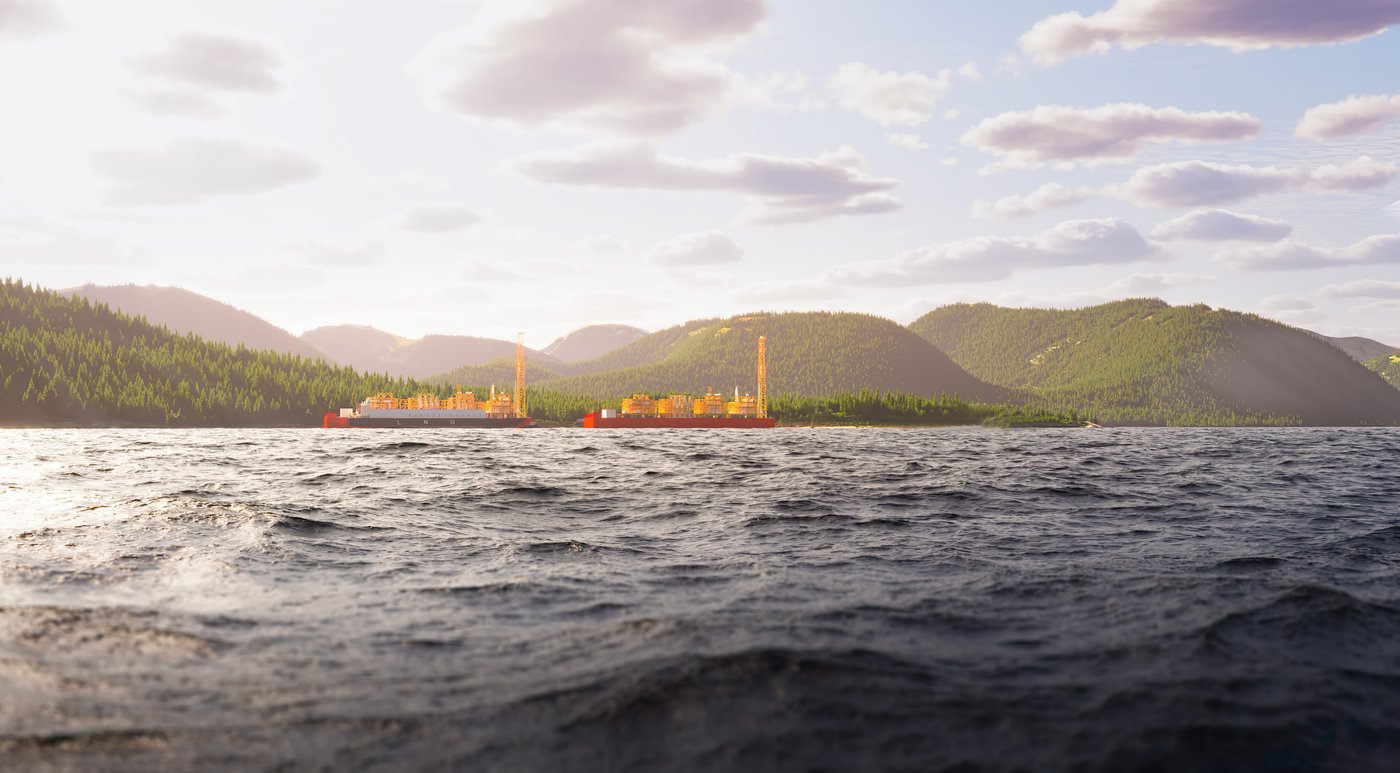
FORT ST. JOHN, B.C. - An agreement between a German energy company and the proposed Ksi Lisims LNG project is being touted as a major step toward expanding Canada’s natural gas exports beyond North America
The landmark deal could also create new opportunities for producers in Northeast B.C.
Germany-based Uniper has signed a binding agreement to purchase two million tonnes of liquefied natural gas annually from the proposed Ksi Lisims LNG export facility for up to 20 years, with deliveries expected to begin in 2032.
The federal government says the deal represents Canada’s first binding, long-term LNG supply agreement with a European utility.
What It Means for Northeast B.C.
While the export terminal would be built on Nisga’a land in northwestern British Columbia, the agreement could have significant implications for the Peace Region, which is home to the province’s vast Montney natural gas resource.
Communities such as Dawson Creek, Fort St. John, Chetwynd and Tumbler Ridge are already at the centre of B.C.’s natural gas industry. Additional LNG export capacity could support future drilling, production, pipeline development and related service-sector activity throughout Northeast B.C.
The proposed Ksi Lisims project is expected to produce up to 12 million tonnes of LNG annually and could account for 13 per cent of Canada’s natural gas exports by the middle of the next decade, according to the federal government.
For local producers, the deal signals growing international demand for B.C. natural gas and the possibility of another major export outlet beyond existing projects.
Diversifying Export Markets
Federal officials say the agreement helps reduce Canada’s dependence on the United States as its primary natural gas customer.
The government argues broader access to international markets could provide greater economic stability for Canadian energy producers.
The gas supplied through the agreement would primarily serve customers in Germany, Sweden, the United Kingdom and the Netherlands, although Uniper says shipments could be redirected to support energy security elsewhere in Europe if required.
“The ultimate destination of these volumes will depend on free market conditions and regulation,” said Mike Newman, Uniper’s senior managing director for North American gas trading, during a news conference in Vancouver.
“Should Europe face another supply crisis, these Canadian volumes could play an important role in supporting security of supply in Germany and across Europe,” he added.
“It diversifies Uniper’s global LNG portfolio and strengthens the resilience of Europe’s energy system in an increasingly uncertain world.”
Project Still Needs Final Approval
The proposed $30-billion Ksi Lisims LNG project has not yet reached a final investment decision. It is being developed by the Nisga’a Nation, Western LNG and Rockies LNG.
According to Ottawa, the project would contribute more than $15 billion to Canada’s GDP over 30 years and become the country’s second-largest LNG facility after LNG Canada in Kitimat.
Project proponents say the facility would use hydroelectricity to power its liquefaction process and is being designed as a net-zero emissions operation.
Environmental Concerns Remain
Not everyone is celebrating the agreement.
Stand.earth criticized the announcement, calling it a setback for climate action and arguing that expanding LNG exports is inconsistent with efforts to address global emissions and increasingly severe wildfire seasons.
Richard Brooks, Climate Finance Director with the environmental group Stand.earth, called the deal “a major step backwards for climate action” for both the Canadian and German governments, which “pulled out all the stops,” he said, to get the deal through.
“Moving forward with a massive new methane gas project as devastating wildfires rage across Canada and Europe is irresponsible and an abdication of leadership,” Brooks said in a statement following the announcement.
“Morally, it’s a slap in the face to all of us who are impacted by deadly heatwaves and smoke.”
Despite those concerns, the agreement marks a significant commercial milestone for Ksi Lisims LNG and serves as another indication that international demand for Canadian natural gas remains strong.
For Northeast B.C., the biggest takeaway may be the prospect of long-term demand for Montney gas production. It is a development that could help sustain investment, jobs and economic activity across the Peace Region for decades to come.
With files from Todd Coyne, CTVNews Victoria