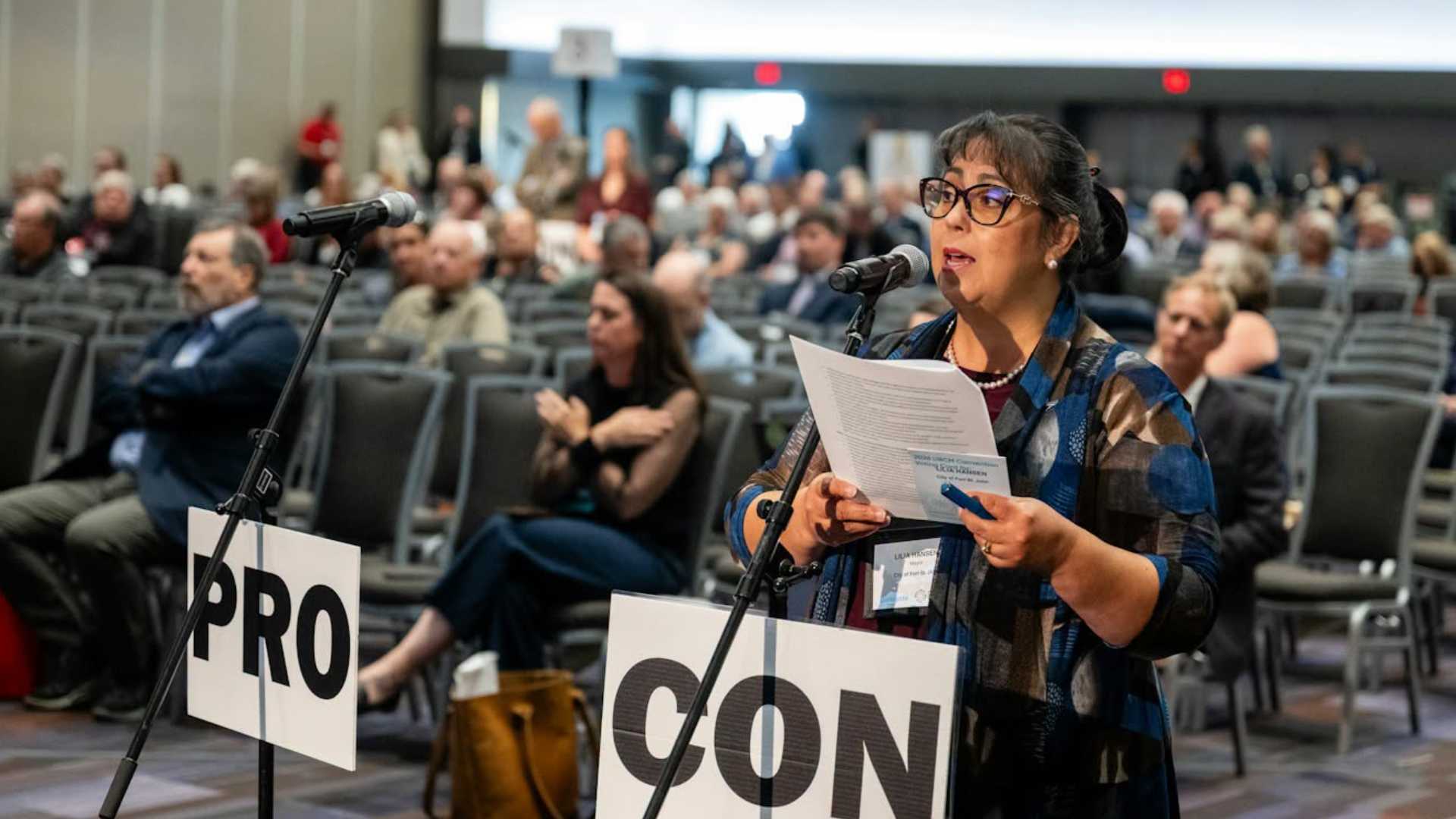
FORT ST. JOHN, B.C. - Fort St. John city officials are returning home from the Union of B.C. Municipalities (UBCM) convention in Vancouver after a week of meetings with provincial ministers, advocacy efforts and policy discussions, aimed at advancing several local priorities.
Mayor Lilia Hansen described the conference as a success, with city representatives holding meetings with provincial government officials and seeing all three of Fort St. John’s resolutions approved by convention delegates.
Among the issues discussed during meetings with the province were the future of Northern Lights College and international student allocations, a provincial brownfield redevelopment strategy, mental health and addictions supports, and health-care capacity in the northeast.
Hansen said she raised concerns with BC’s health minister about the stalled Peace Villa expansion project as well as pressure on Fort St. John’s hospital, which she said is operating beyond capacity, with patients at times remaining in hallways due to overcrowding.
The mayor also met with the finance minister regarding brownfield redevelopment efforts and with provincial housing and health officials to discuss local challenges and opportunities.
She noted that a delay to the province’s planned PST expansion will save municipalities money, particularly when hiring professional services.
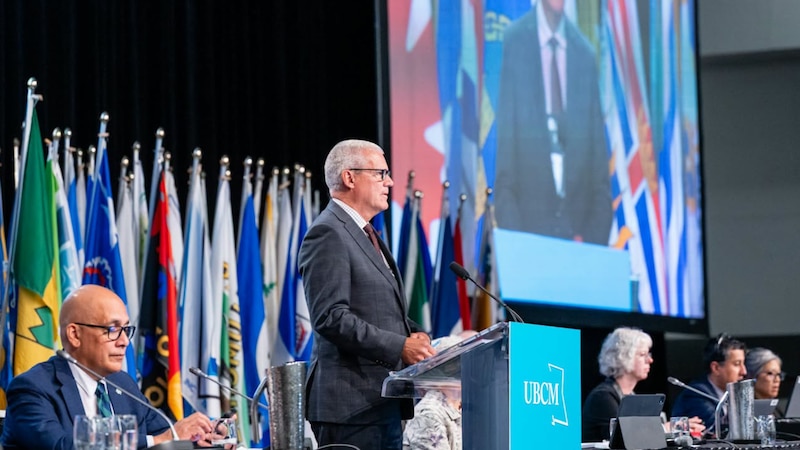
Hansen said council members also raised the idea of receiving provincial support and grants the new $185-million aquatic facility. Other similar projects across the province have received and Hansen says, the city is looking for the same support
One of the convention highlights for Hansen was participating in a mayors’ panel hosted by Resource Works and presented alongside TC Energy.
The discussion, titled One Value Chain, Three Communities, brought together Hansen, Phil Germuth, mayor of Kitimat, and Ken Sim. mayor of Vancouver, to discuss the role of natural gas in British Columbia’s economy.
The panel focused on the connection between communities involved in the natural gas value chain, with Fort St. John representing the region where natural gas is produced, Kitimat serving as the export terminal, and Vancouver representing a major centre of consumption.
Hansen said she used the opportunity to respond to criticism from the leader of the Green Party that resource development primarily benefits large corporations.
“I wanted to set the record straight,” Hansen said. “From the viewpoint of my hometown, we do see the benefit of supporting the energy sector. It supports families with jobs and is one of the drivers of the B.C. economy.”
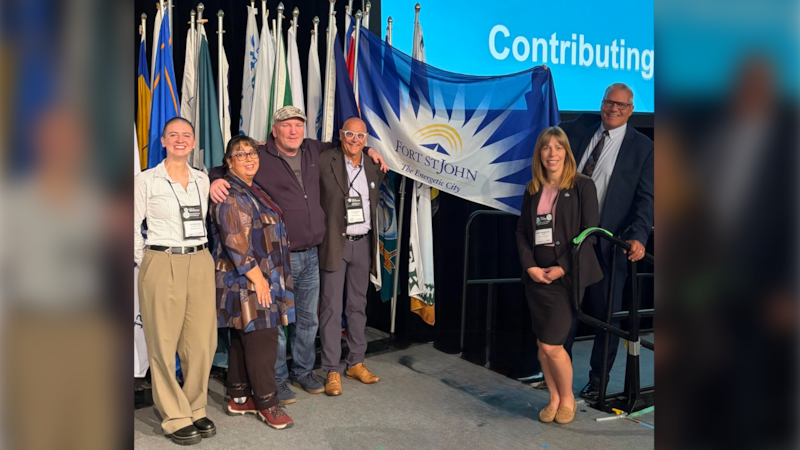
At the convention, Fort St. John also saw delegates approve three city-sponsored resolutions focused on improving access to BC Housing data, developing a provincial brownfield redevelopment strategy and improving highway rights of way.
The resolutions will now become part of UBCM’s advocacy efforts with the provincial government.
Council members also spoke against a resolution brought forward by the City of Victoria that called on UBCM to advocate for a class-action lawsuit against fossil fuel companies.
Hansen argued that resource development supports jobs, businesses, Indigenous partnerships and public services across the province, while warning that litigation could be costly and divisive.
The resolution was ultimately defeated. Hansen said communities tied to natural resource industries need collaboration, investment and practical solutions rather than legal battles that could create uncertainty for key sectors of the economy.
The annual UBCM convention brings together local government leaders from across British Columbia to debate resolutions, meet with provincial ministers and advocate on behalf of their communities. This year’s convention wrapped up Friday in Vancouver.