MACKENZIE, B.C - When a bus carrying workers crashed into a ditch near Mackenzie on Highway 39 on Wednesday, former firefighter Rich Rogers had only seconds to react. What he did next likely helped save lives.
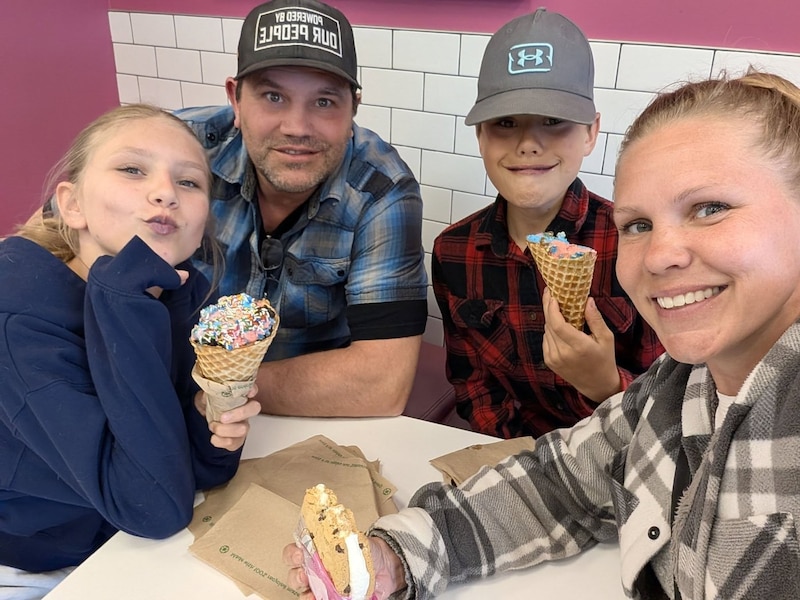
Rogers was travelling with his wife and 11-year-old son when he noticed something was wrong. He watched as the bus gradually crossed the centre line, drifted off the road, then launched into a deep ditch before crashing into a tree and coming to rest on its side.
He immediately pulled over, told his family to call for help, and ran toward the wreckage.
“My boy just started screaming ‘no, no, no’ over and over,” Rogers said.
“I hope the bus is empty,” was the thought that crossed his mind as he sprinted toward the scene.
Instead, he found what turned out to be 20 injured passengers and a chaotic mass-casualty situation unfolding before him.
Rescue Mode
Drawing on years of firefighting and emergency response training, Rogers immediately switched into rescue mode.
The first victim he encountered had been ejected from the bus and appeared not to be breathing.
After assessing the patient, Rogers made the difficult decision to reposition them to clear their airway. Moments later, blood drained from the person’s mouth and the victim began breathing again.
Realizing there were multiple critically injured people scattered both inside and outside the vehicle, Rogers began triaging.
He recruited an injured passenger to stabilize the ejected victim and improvised support using a nearby backpack to maintain spinal protection.
Inside the Wreckage
He then entered the damaged bus.
Inside, the scene was overwhelming.
Passengers were strewn throughout the vehicle.
Rogers searched for the driver, looked for a first-aid kit, and discovered the bus engine was still running.
Concerned about the exhaust fumes building inside the wreckage, he placed the vehicle in park and shut it off before continuing to assess victims and gather information.
Unable to reach every injured passenger because of the cramped and dangerous conditions, Rogers focused on gathering critical information for incoming emergency crews.
He determined there were multiple patients in urgent need of care and relayed that information to first responders as they arrived.
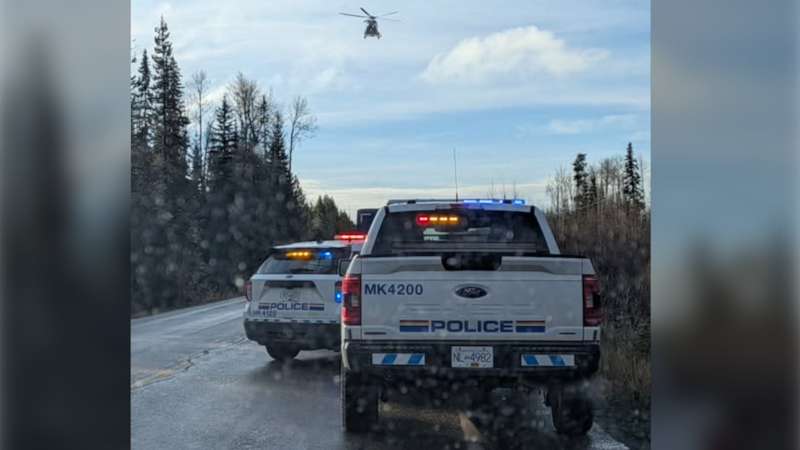
By the time RCMP, BC Emergency Health Services personnel and firefighters arrived, Rogers had already begun the difficult work of identifying critical victims and organizing the chaotic scene.
Rather than stepping aside once professionals arrived, he continued helping.
After providing information to ambulance crews and police, Rogers volunteered his assistance, drawing on his emergency response experience.
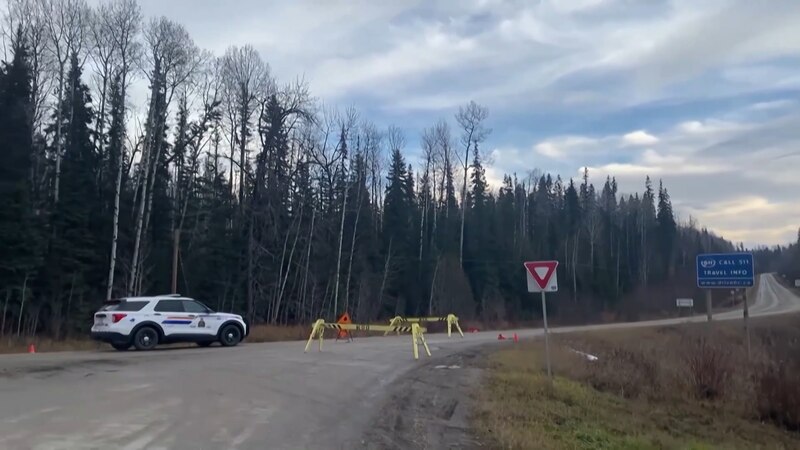
Paramedics put him to work helping treat victims as they were removed from the wreckage.
He remained on scene long after the initial rescue effort, continuing to assist emergency personnel and helping with cleanup before eventually returning to Mackenzie.
Community Impact
The bus was chartered by a contractor for IREN, which operates a data centre in Mackenzie.
The crash prompted a response involving 12 ambulances including a air ambulance and the declaration of Code Orange mass casualty events at two hospitals.
Northern Health issued an update saying 15 of the 20 people assessed and treated in its facilities after the crash have since been discharged.
Bob Zimmer Member of Parliament for Prince George-Peace River-Northern Rockies, said he was moved by Rogers’ actions after learning about the rescue effort.
Zimmer said reports from the scene suggested Rogers provided life-saving aid in the crucial moments before emergency crews arrived, adding that some victims may not have survived without his intervention.
He said Rogers’ willingness to stop and help in such difficult circumstances likely changed the outcome for several of those injured.
Zimmer also offered support to the Mackenzie community as it copes with the aftermath of the crash.
He described Mackenzie as a close-knit resource community where incidents like this affect residents deeply because many of those involved were simply heading to work and trying to return home safely.
Zimmer said it remains a difficult time for the community and expressed hope that those still recovering from their injuries continue to improve.
“A Return to Trauma”
What makes Rogers’ actions even more remarkable is that emergency work had previously taken a significant toll on his own mental health.
He revealed he left a career as a Prince George firefighter because of cumulative stress and trauma.
He spoke candidly about the emotional challenges first responders face and the importance of recognizing when someone is struggling.
Despite those experiences, when faced with another life-and-death emergency, he didn’t hesitate.
“Wrong Place, Right Time, Right Skills”
Rogers repeatedly rejected the label of hero.
“I don’t really think of myself as a hero,” he said. “Wrong place, right time, right skills.”
He added that he simply hoped someone would do the same for his family if they were ever in need.
But for many listening to his account, including journalists on a Zoom call with Rogers on Friday, the word hero seemed difficult to avoid.
In the critical minutes before first responders could fully take control of the scene,
Rogers used his training, experience and composure to help severely injured victims, relay life-saving information and support emergency crews responding to one of the region’s most serious crashes.
His actions serve as a reminder that even after leaving the fire service, a firefighter’s instinct to help never truly disappears.
Humility in the Aftermath
While the crash has brought up tough emotions for Rogers, he hopes his efforts help the injured passengers have a chance to recover.
Fighting back emotion, Rogers said his hope is that the injured workers recover and are able to return home to their loved ones.
He said that if his actions helped give even one person the chance to see their family again, then everything he did at the scene was worthwhile.
Rogers may not see himself as a hero, but to many involved in the aftermath of the Mackenzie bus crash, his actions embodied the very definition of one.