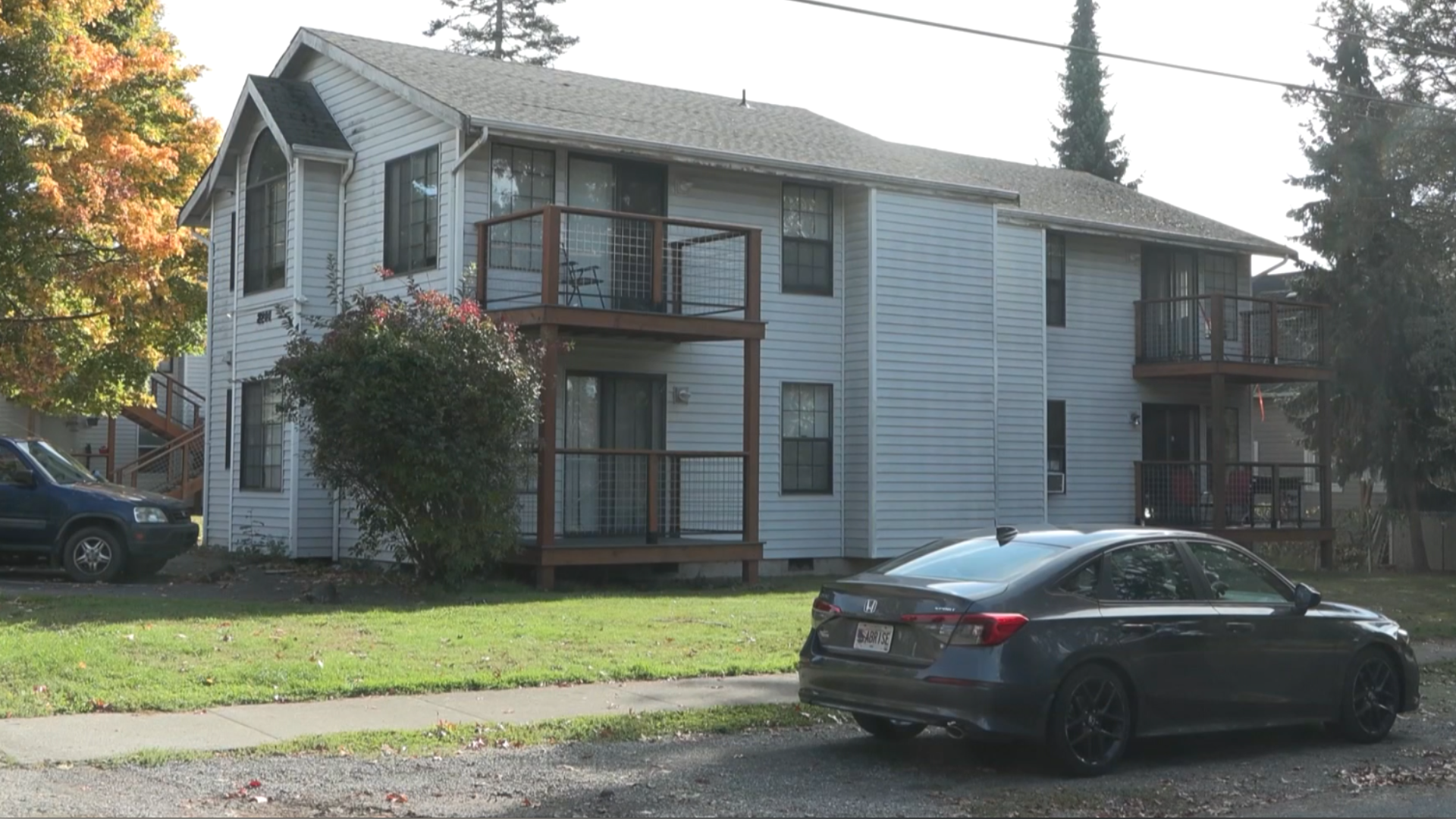
The FBI has described the arrest of the alleged co-conspirator in the Tumbler Ridge, B.C., mass shooting, saying James Bryant was calm and “not particularly surprised” when agents turned up at their Bellingham, Wash., apartment on Tuesday.
W. Mike Herrington, special agent in charge of the Seattle field office for the Federal Bureau of Investigation, says in an interview that Bryant believed they were not criminally culpable because they were not directly involved in the Feb. 10 killings of eight victims by Jesse Van Rootselaar.
But Herrington says Bryant was “very cognizant” of the risks in having discussed plans for a shooting with the attacker, who killed herself at Tumbler Ridge Secondary School.
Bryant was charged this week with conspiracy to murder in a foreign country, with an FBI complaint citing months of conversations with Van Rootselaar in which they allegedly discuss tactics, targets and the livestreaming of the attack.
Herrington says agents arrested Bryant at their home after making sure the suspect would be home after their overnight shift at a fast-food restaurant the night before.
He says the release of such a wide range of details included in the FBI complaint is not typical, but its inclusion was justified by “intense” Canadian public interest and the information not endangering the prosecution.
The complaint includes photos said to have been shared between the Bryant and Van Rootselaar, as well as descriptions of the attacker’s guns and possible motivations that had not been released by the RCMP.
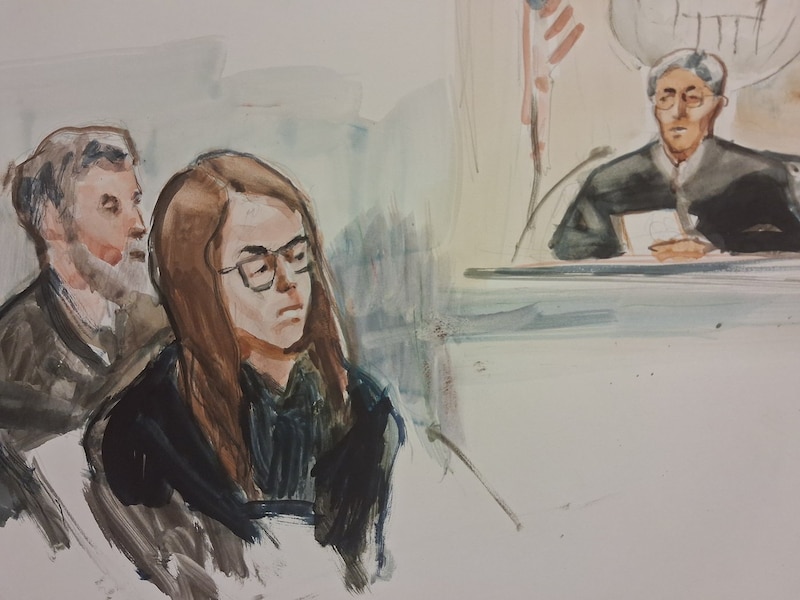
Herrington added that Canadian policy and legal regimes were more restrictive, but U.S. authorities and the RCMP had actively discussed what information to release in “a difficult balance because there are very real privacy interests for everybody involved.”
“I think we’re very cognizant of our relationship with the RCMP and Canadian authorities, as well as the extreme level of importance in protecting the integrity not just of our case, (but also) of their case,” he says.
“So I would say if RCMP expressed discomfort with us releasing more information than they were comfortable with, we would take that very seriously and would … likely defer to that, because what we don’t want to do is release something that is going to cause trouble for their investigation, for any charges they may be contemplating, and for them as an organization.”
The RCMP has declined to provide details about the guns used in the attack, citing “ongoing court processes in Canada.”
This report by Chuck Chiang, The Canadian Press, was first published Oct. 9, 2026.