A Dawson Creek mother is speaking out after the death of her son, saying repeated pleas for mental health treatment were ignored until his illness became a matter for the criminal justice system.
Nathan Whynot died of a drug overdose in April. His death has prompted renewed questions about whether British Columbia’s mental health system is equipped to help people living with severe mental illness and substance use disorders before they reach a crisis.
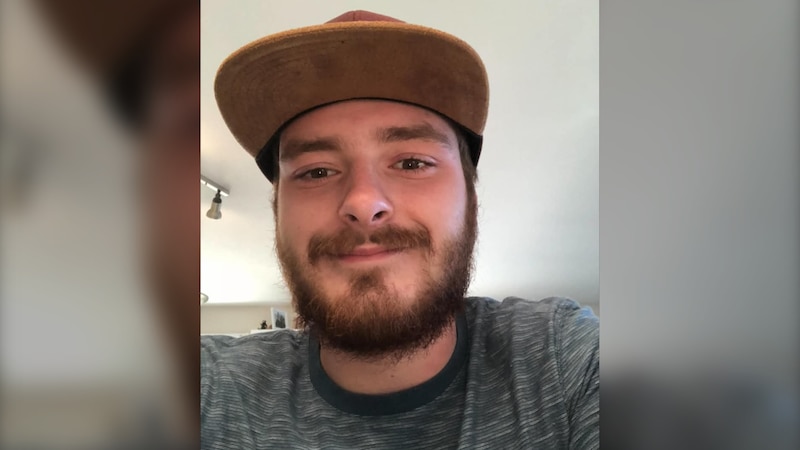
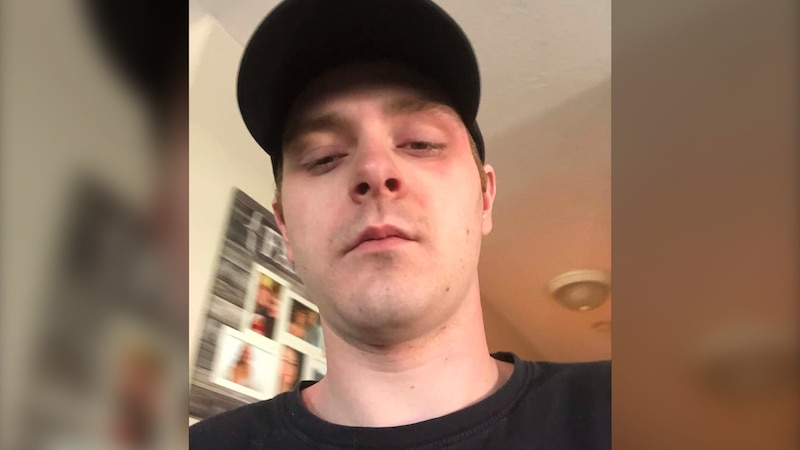
Whynot was well known among police, health-care workers and outreach staff in Dawson Creek. In 2020, he pleaded guilty to setting a fire inside the city’s Walmart, causing more than $1 million in damage.
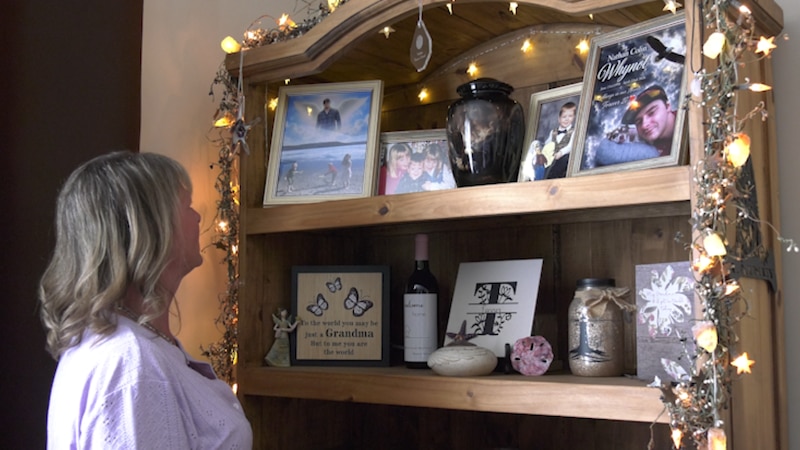
But his mother, Jodi Tanner, says that incident does not define who her son was.
“He was a bit of a jokester... But he was a good kid. He had a good heart. Loved animals. Loved his sisters,” Tanner said.
A childhood changed by mental illness
According to Tanner, Whynot’s struggles began around the age of 13 with depression and anxiety. By 15, she says he had turned to drugs as a way to cope with his mental health. At 19, she says methamphetamine use triggered severe psychosis.
“His brain was working overtime. He was paranoid. He was delusional... I’ve seen people in drug addiction before, but this was not a typical person in addictions,” she said.
Repeated pleas for help
As his condition worsened, Tanner says the family repeatedly sought help from physicians in Dawson Creek, but were told he did not meet the legal threshold for involuntary treatment under B.C.’s Mental Health Act.
“The frustration is watching somebody that you love, knowing that their problems are real, their problems are important and necessary to address, yet there’s no control. You’ve lost all control,” she said.
The legal threshold for involuntary treatment
Under the Mental Health Act, a person must meet four criteria before they can be involuntarily admitted to a designated psychiatric facility:
- They must have a mental disorder that seriously impairs their ability to function.
- They must require psychiatric treatment in a designated facility.
- They must require care and supervision to prevent substantial mental or physical deterioration or to protect themselves or others.
- They must be unable to be treated safely in the community.
B.C. Mental Health and Substance Use Services says certification is considered a last resort.
Tanner believes her son met all four requirements and says she became increasingly frustrated with what she describes as a lack of understanding of his illness.
“I don’t think they knew what was going on,” she said.
In a statement to CJDC, Northern Health said it follows the Mental Health Act when assessing patients in crisis and that decisions regarding involuntary admission are made using clinical and professional judgment.
‘People see the drug addiction first’
Some advocates argue the current system places too much emphasis on substance use while overlooking the underlying mental illness.
“People see the drug addiction first, not the conditions that led to the addiction and the substance use,” said B.C.’s Representative for Children and Youth, Dr. Jennifer Charlesworth.
Charlesworth believes the province should modernize the Mental Health Act while carefully considering where involuntary treatment may be appropriate.
“The Mental Health Act needs to be reformulated... it’s a 1960s-era legislation. It’s not a contemporary legislation that addresses the kinds of things we’re dealing with now,” she said.
Former Dawson Creek case management director Jan Atkinson says obtaining certification for patients in Northern Health facilities has become increasingly difficult, particularly when psychosis is believed to be linked to substance use.
“I really think that with Northern Health, we got into this idea that drug psychosis doesn’t fit the criteria for the psychiatric unit,” Atkinson said. “Getting somebody certified under the Mental Health Act is a task that really, I think people have even stopped trying to apply for. Essentially, it’s a no every time.”
‘He no longer had a voice’
Whynot’s family says they repeatedly warned that he needed more help.
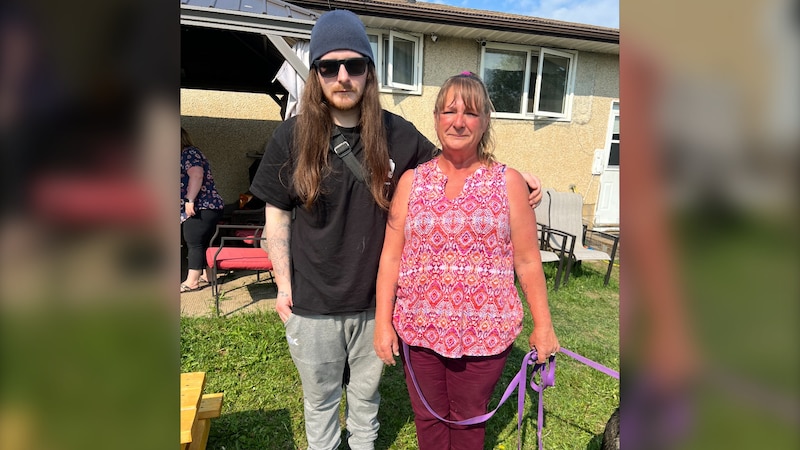
“His mental health got to a point where he no longer had a voice. He couldn’t speak for himself, and that’s where I found Jodi really stepped up and became his voice,” said Sgt. Shawn Peddle.
Tanner says Whynot was admitted to hospital numerous times, including psychiatric care. By 2019, she says medication had stabilized his paranoid schizophrenia. She says he later convinced his psychiatrist to remove his mandatory treatment order, after which his condition deteriorated again.
As an adult, Tanner says privacy laws prevented the family from participating in his care, leaving them feeling powerless as he made decisions about his treatment.
“I didn’t get to be a mother,” she said.
When health care became the justice system
Tanner believes her son’s mental health and addiction crisis eventually became a criminal justice issue because the health-care system failed to intervene when he needed it most.
The family’s next major intervention, she says, came not from doctors or mental health professionals, but from the justice system.
Limited access in northern B.C.
Mental health advocates also point to broader challenges across northern British Columbia, where access to specialized treatment remains limited. In some communities, people seeking residential addiction treatment must travel as far as Prince George, a journey that can take four hours or more.
Experts say many begin experiencing withdrawal during the trip, increasing the likelihood they will use drugs again before reaching treatment, and in some cases end up in jail rather than receiving care.
A call for change
Tanner hopes sharing Nathan’s story will prompt conversations about whether British Columbia’s mental health system is providing adequate care for people experiencing severe mental illness before they reach a point of crisis.
“This isn’t just Nathan’s story,” Tanner said. “It’s happening to other families, too.”