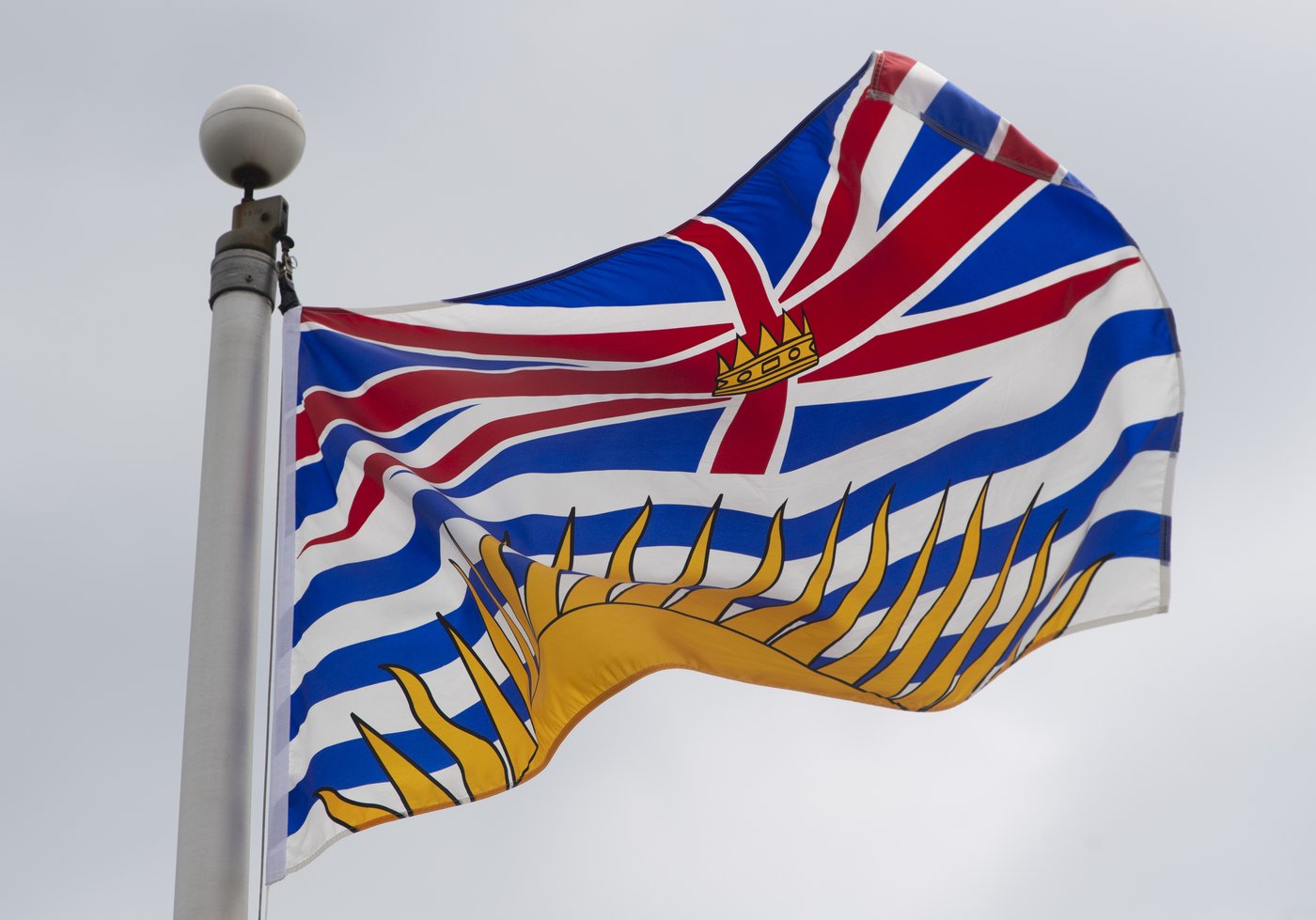
The first poll of British Columbia voters following the Conservative leadership race indicates the governing party and official Opposition are currently sitting at a tie.
The Research Co. survey conducted in June found that support among decided voters for the B.C. Conservatives and B.C. NDP both sit at 42 per cent. The Conservatives are up four points since an October 2025 poll, and the NDP are down two percentage points.
Northern B.C. remains a Conservative stronghold, with 57 per cent support among decided voters, narrowly ahead of the Fraser Valley at 56 per cent. However, the NDP remains slightly ahead in Metro Vancouver, Southern B.C. and Vancouver Island.
The Greens currently sit in third at nine per cent, followed by Centre BC with three per cent and OneBC with two per cent.
Just over a third of British Columbians surveyed, 36 per cent, said they were happy the Conservatives chose Kerry-Lynne Findlay as their new leader. That figure was 63 per cent among people who voted for the party in the 2024 election.
Thirty per cent said they regard Findlay as a “premier-in-waiting.”
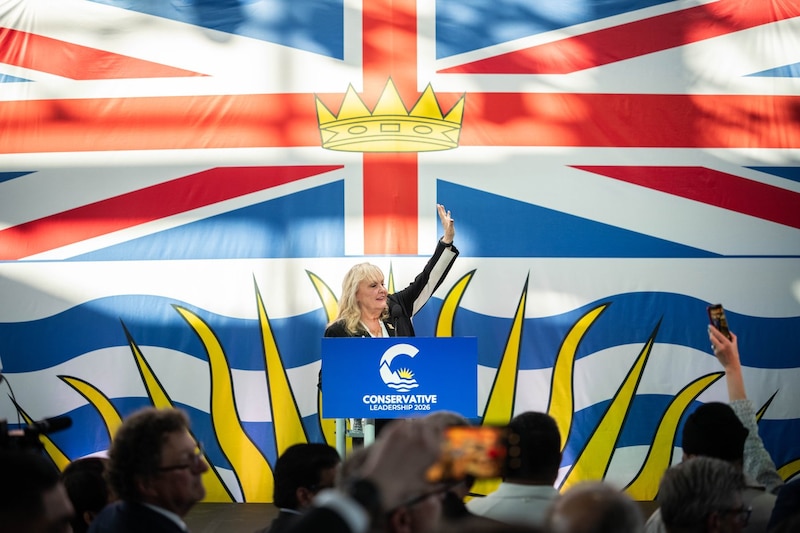
Mario Canseco, president of Research Co., says Findlay can build on the momentum a new leader normally brings by connecting with the public on the issues that matter most to them.
“The campaign and the leadership race was all about culture wars and specific things that were less likely to be fiscally conservative,” Canseco told CTV Your Morning Vancouver on Monday. “People are worried about inflation, they’re worried about housing, they’re worried about the economy. If you connect on those issues, you can grow.”
The poll found housing, poverty and homelessness to be the most pressing issue among voters at 29 per cent, followed by the economy and jobs at 26 per cent and health care at 21 per cent.
Meanwhile, the approval rating for current Premier David Eby dropped five points since the previous poll and now sits at 48 per cent.
“This really speaks about the complexity of the base, to really look at what the government is doing and be happy with it. You might be somebody who’s a centre-left voter, but you’re not particularly thrilled with the premier at this point, and that is complicated,” Canseco said.
“I think there’s a chance to steer some policy through to try to do something different to appeal to that base, but we’re going off a very dismal budget, we have a significant deficit, it’s going to be difficult.”
Nearly half of respondents, 47 per cent, believe the province needs a centre-right party as an alternative to the NDP and Conservatives, and 41 per cent said the BC Liberals should be revived.
“There’s a significant level of opportunity for a centre-right party. We have people who are telling us, I’m not thrilled with either of the choices that we have,” Canseco said.
Asked how they would vote if BC Liberals were on the ballot in the next election, 15 per cent of participants said they would support that party.
Canseco said that may appear low, but pointed out that the B.C. Conservatives once polled at two per cent and came close to forming government a few years later.
“Maybe there are some conservative voters who aren’t particularly happy with the choice that they made, and they could be looking at this as an option,” he said.
Canseco predicts a pivot from the Conservatives over the next few weeks as their new leader looks to connect with voters.
“You run as a leadership candidate on values; you run as the leader of the party on finances,” he said.
According to Research Co., results are based on an online survey conducted from June 3 to June 5, 2026, among 803 adults in British Columbia. The data has been statistically weighted according to Canadian census figures for age, gender and region in British Columbia. The margin of error is +/- 3.5 percentage points, 19 times out of 20.