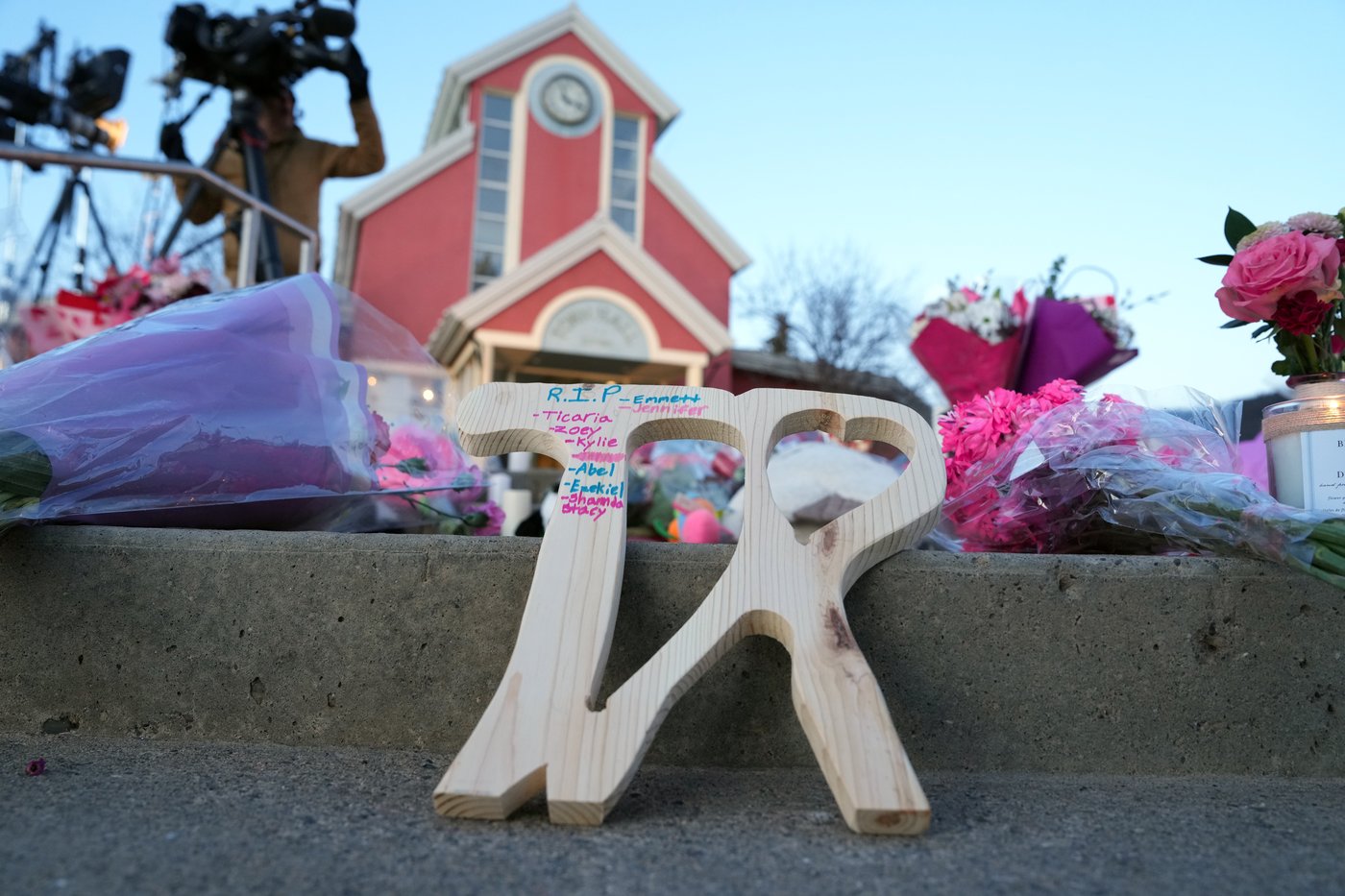
A new report from the Canadian Anti-Hate Network says social media platforms saw a sharp increase in anti-transgender content in the days following the February 2026 school shooting in Tumbler Ridge.
The report, titled Online Transphobia Following the 2026 Tumbler Ridge School Shooting, says some media personalities, influencers, and political figures used the tragedy to promote negative narratives about transgender people.
It examines online content shared during the first 72 hours after the attack. 18-year-old Jesse Van Rootselaar also known as Jesse Strang, killed eight people and injured 27 others before taking her own life.
According to the report, online discussions quickly shifted from the victims and survivors to the shooter’s gender identity, with some commentators claiming transgender people are inherently violent, mentally ill, or a threat to children.
The organization argues these messages contributed to stigma and discrimination rather than helping communities understand or respond to the tragedy.
The report cites research by the Institute for Strategic Dialogue that found more than 10,000 anti-LGBTQ+ posts were made by Canadian users the day after the shooting. Globally, researchers recorded more than 154,000 such posts following the attack.

The organization says anti-LGBTQ+ content posted by Canadian extremist accounts increased from an average of about 20 posts per day in the week before the shooting to 233 posts on February 11, an increase of more than 1,000 per cent.
Researchers identified several recurring themes in the online discourse, including claims that transgender individuals are more likely to commit violence, gender identity is a mental illness and that inclusive policies were responsible for the attack.
The Canadian Anti-Hate Network argues those claims are not supported by available evidence. The report notes that databases tracking mass shootings in North America have identified very few perpetrators who were transgender and says transgender people are statistically more likely to be victims of violent crime than perpetrators.
The report also highlights statements made by a number of public figures, media personalities, and influencers following the shooting.
In several cases, the organization says those statements mirrored what Canadian courts and human rights tribunals have previously identified as discriminatory or hateful narratives.

Among those singled out was independent B.C. MLA Tara Armstrong , who posted online that there was an “epidemic of transgender violence.”
The report also references comments from various commentators and activists questioning gender-affirming care, LGBTQ+ inclusion policies, and media coverage of the shooting.
B.C. Human Rights Commissioner Kasari Govender was quoted in the report as saying it is “incorrect, irresponsible and frankly dangerous” to conflate transgender identities with violent tendencies, noting that available data shows transgender people are significantly more likely to be victims rather than perpetrators of violent crime.
The Canadian Anti-Hate Network says its report is intended to document how major news events can be used to amplify discriminatory messaging online and to encourage public discussion about the impact of hate speech and misinformation on vulnerable communities.