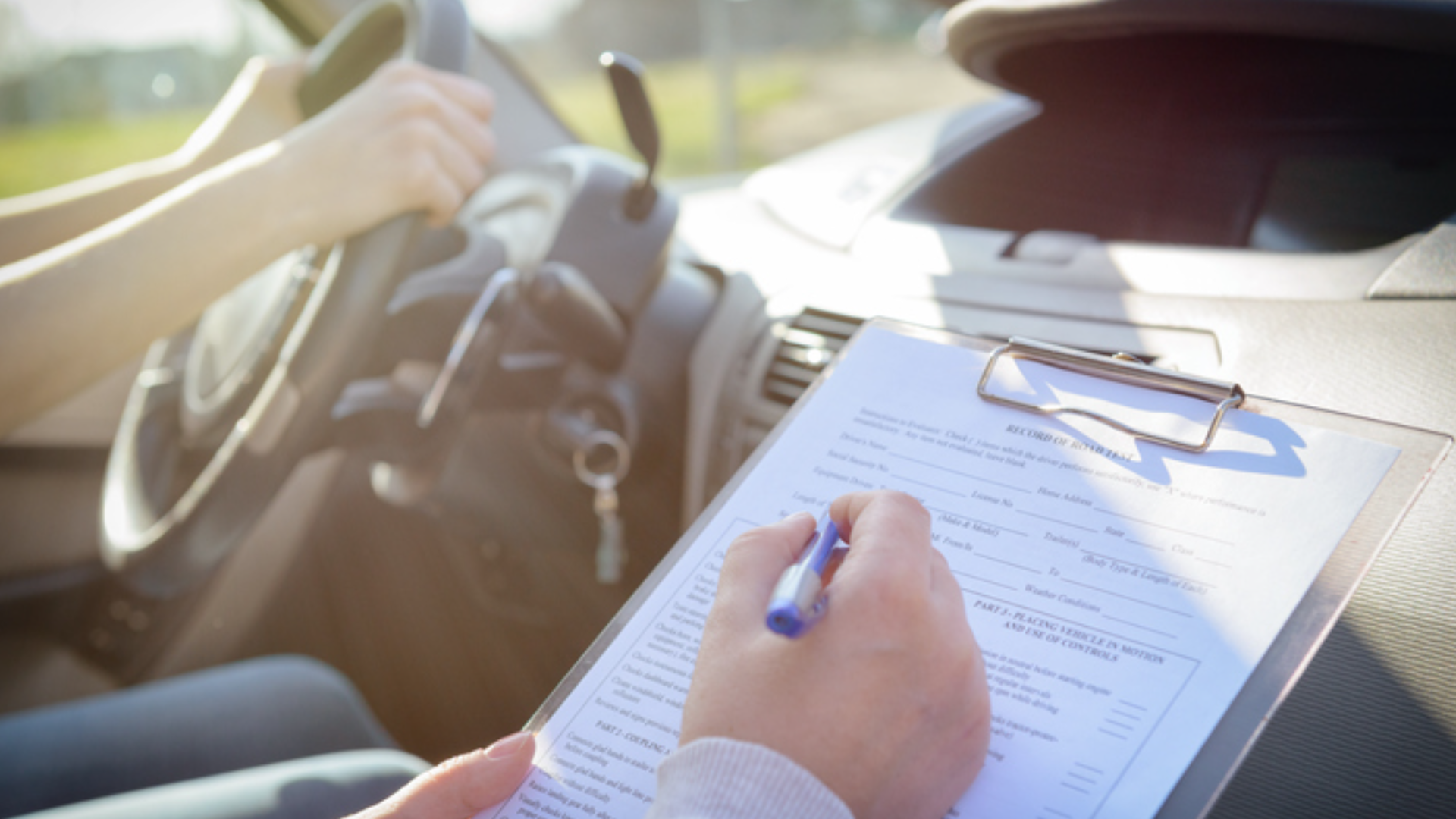
FORT ST. JOHN - New drivers in British Columbia will soon face fewer road tests on their path to a full licence.
The provincial government has announced it’s overhauled its Graduated Licensing Program (GLP), replacing the second road test with a driving record assessment.
The province announced Thursday that drivers seeking to move from a Class 7 novice licence to a full Class 5 licence will no longer be required to complete a second road test.
Instead, eligibility will be determined through an assessment of their driving record and experience behind the wheel.
“Evidence shows that driving experience gained over time predicts long-term safety as reliably as a single road test,” said Nina Krieger, B.C.’s Minister of Public Safety and Solicitor General.
Under the new rules, drivers who accumulate convictions for unsafe behaviours, including excessive speeding or electronic device use, will be required to restart their novice driving period.
The changes take effect Oct. 19, 2026. The province says some eligible drivers will receive a one-time automatic upgrade from a Class 7 to a Class 5 licence and will not have to complete an in-office driving record assessment.
New restrictions remain in place
Drivers who pass the driving record assessment will move to a Class 5 licence with a 12-month restricted period.
During that time, they must comply with zero blood-alcohol and drug requirements and will face increased scrutiny for traffic violations.
The government says the new approach emphasizes ongoing monitoring of driving behaviour rather than relying on a single road test.
The province is also creating a shorter licensing pathway for drivers aged 25 and older.
Changes include reducing the learner stage from 12 months to nine months and cutting the novice phase from 24 months to 12 months.
Drivers under 25 who complete an ICBC-approved GLP training course will still be eligible for a shortened novice period of 18 months.
Accessibility focus for rural communities
The province says the overhaul is intended to make licensing more accessible, particularly for people living in rural, remote and Indigenous communities.
The changes include lowering the age of consent to apply for a driver’s licence from 19 to 18, offering driving record assessments at Service BC offices, driver licensing agent offices and ICBC licensing offices, and introducing an immediate-family exemption to passenger limits.
ICBC President and CEO Jason McDaniel said the GLP remains an important road safety tool that helps new drivers gain experience and develop safe habits before receiving a full licence.
Grand Chief Stewart Phillip, president of the Union of British Columbia Indian Chiefs, said the changes could improve economic and social mobility for people in rural and remote First Nations communities by making it easier to obtain a driver’s licence.
Drivers currently enrolled in the GLP are expected to receive letters from ICBC in early fall explaining how the changes will affect them and outlining any next steps.
The province also says changes to the Motorcyclist Licensing Program are planned for 2027.