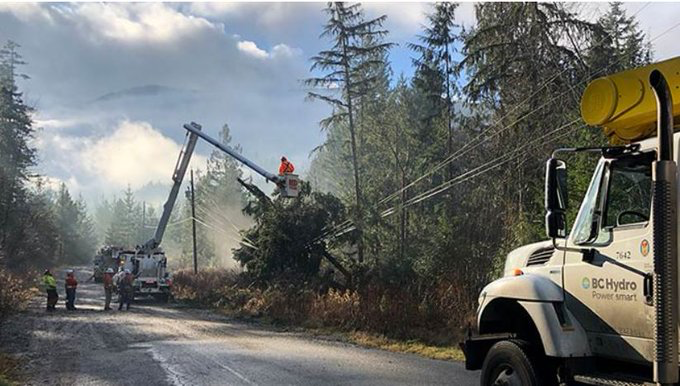
FORT ST, JOHN, B.C. - As strong winds and stormy weather move into Northeast B.C., BC Hydro is warning that the impacts of this summer’s drought, heat and wildfire activity could make power outages more likely in the months ahead.
A new BC Hydro report says the line between wildfire season and storm season is becoming increasingly blurred, with conditions created during the summer continuing to affect communities long after temperatures cool.
According to the utility, trees and vegetation remain the leading cause of storm-related power outages across British Columbia.
Drought conditions over the past number of years can weaken trees and root systems, while wildfire damage can leave standing trees vulnerable to failure when exposed to high winds, heavy rain or snow.
“This is an issue we’re watching closely across the province, including Northeast B.C.,” said Bob Gammer, BC Hydro Community Relations Manager.
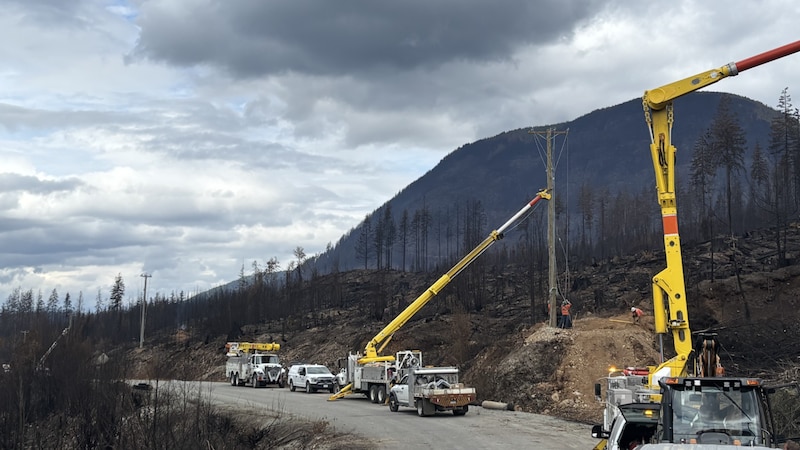
With strong wind gusts in the forecast, it’s a good reminder that some of the impacts from this summer’s drought and wildfire season may not show up until the first major storms arrive, said Bob Gammer.
Trees that have been weakened by dry conditions or fire damage can create additional risks for outages once severe weather moves in.”
The report notes that drought conditions continue in parts of the province while dozens of wildfires remain active.
At the same time, forecasters are monitoring the potential development of a so-called “super” El Niño, which could bring continued weather volatility through the fall and winter months.
BC Hydro spokesperson Whitney Deane said emergency planning can no longer be viewed as a seasonal activity.
“There isn’t always a clean break between wildfire season and storm season anymore,” said Whitney Deane. “What happens during a hot, dry summer can leave its mark for months. Trees weakened by drought or wildfire may not fail until the first major windstorm arrives, which is why we’re increasingly thinking about preparedness as a year-round effort.”
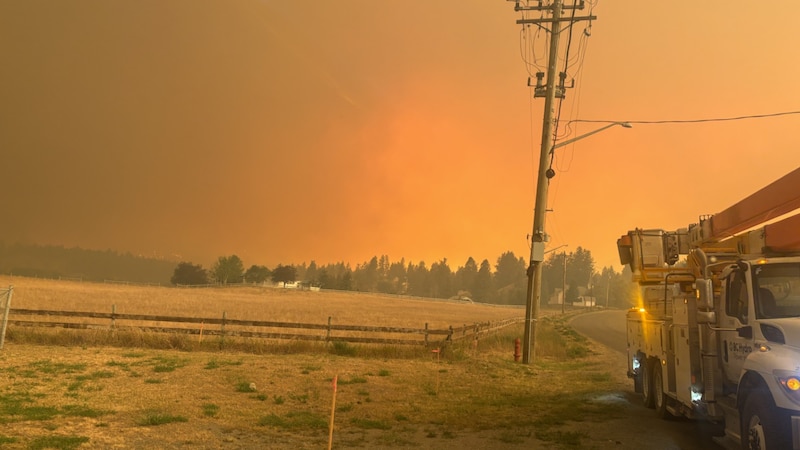
BC Hydro says it has invested heavily in storm preparation, including tripling its annual vegetation management spending over the last six years to approximately $150 million.
The utility has also expanded its use of weather forecasting and outage prediction tools and continued work to strengthen electrical infrastructure across the province.
During the 2026 wildfire season, BC Hydro crews replaced 1,265 power poles and 110 transformers while restoring damaged infrastructure. Many of those same crews are now focused on storm readiness.
Bob Gammer said preparation by residents is equally important.
People across Northeast B.C. know severe weather can arrive quickly said Gammer.
“Having an emergency kit ready, knowing how to access outage information and making a family emergency plan can go a long way if the power goes out during a storm,” he said.
Gammer says while BC Hydro is often able to restore power to the majority of customers quickly during major storms, rural residents can face much longer outages.
The utility notes that once about 90 per cent of affected customers have power restored within 24 hours, crews are often left repairing isolated outages serving only a handful of homes.
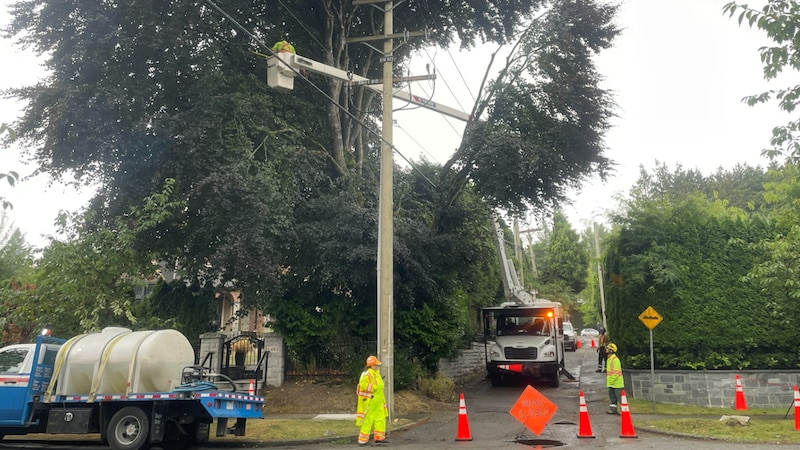
In large, sparsely populated areas such as Northeast B.C., that can mean some rural properties remain without electricity for several days while crews travel long distances, assess damage and replace damaged equipment
Gammer says every household should maintain a 72-hour emergency kit in case severe weather knocks out power.
A basic kit should include bottled water, non-perishable food, prescription medications, flashlights, extra batteries, a first-aid kit, a cellphone charging bank, blankets, warm clothing and copies of important documents.
Residents should also have a plan for communicating with family members and checking on vulnerable neighbours if a prolonged outage occurs.