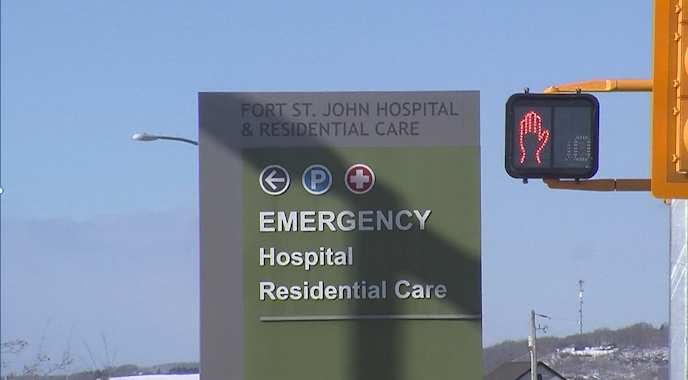
FORT ST. JOHN, B.C. - The BC College of Family Physicians is calling on the province’s newly elected government to make rural health care a priority, warning that physician shortages continue to threaten access to emergency and primary care services in communities across British Columbia, including the Northeast.
The organization said rural communities remain particularly vulnerable when family doctors leave, noting many physicians outside major centres provide a range of services that include emergency room coverage, inpatient care and community-based medicine.
According to the BC College of Family Physicians, staffing shortages led to more than 16,453 hours of temporary emergency department closures across B.C. between January 2023 and April 2025, the equivalent of nearly 686 days.
The concerns come as Northeast B.C. communities have experienced repeated emergency department diversions and service interruptions in recent years.
Despite assurances from the previous NDP government that the issue was being addressed, emergency room diversions and staffing-related disruptions continue facilities in Dawson Creek, Chetwynd, Fort St. John, Hudson’s Hope, Tumbler Ridge and Fort Nelson, with Northern Health frequently citing physician and nursing shortages as contributing factors.
Johnny Chang, president-elect of the BC College of Family Physicians and a family doctor in Creston, said the new government has an opportunity to address some of the most pressing challenges facing family medicine.
Chang said efforts should focus on retaining physicians in rural communities, protecting access to emergency care and reducing administrative workloads that take time away from patients.
The organization is calling on the province to strengthen physician recruitment and retention programs, support rural medical practices at risk of closing and invest in keeping emergency departments operating.
It also says expanding rural medical training opportunities could help build a more sustainable workforce. A recent member survey found 77 per cent of responding family physicians support increased exposure to rural medicine during medical training.
The group is also urging the government to address what it describes as fragmented digital health systems.
Survey results showed 67 per cent of responding family physicians said administrative burdens had caused them to reduce their hours or limit their scope of practice, while 75 per cent identified electronic medical record standardization as a priority.
The BC College of Family Physicians said it wants the province to accelerate digital referrals and consultations and develop a plan to reduce the number of electronic medical record systems currently used across B.C. by 2028.
The organization says improving rural physician retention and reducing administrative burden are key steps toward maintaining access to health care services in communities where staffing shortages continue to strain the system.