FORT ST. JOHN, B.C. - A second group of First Nations are poised to acquire an ownership interest tied to the Coastal GasLink pipeline, a move that would expand Indigenous participation in one of the key pieces of energy infrastructure connecting Northeast B.C. natural gas to global markets.
Twelve more First Nations in northern British Columbia are expected to acquire an indirect ownership stake in Coastal GasLink, building on an earlier agreement involving four Northeast B.C. First Nations announced in October.
The proposed transaction would be backed by a $168-million federal loan guarantee through Ottawa’s Indigenous Loan Guarantee Program.
The deal would see the Nations acquire an 11 per cent interest in the entity that holds TC Energy’s 35 per cent stake in the pipeline, representing an indirect ownership interest of approximately 3.85 per cent in Coastal GasLink.
When completed, the transaction would bring the total number of First Nations with an economic interest in the pipeline to 17.
The announcement follows an agreement completed in October involving five First Nations, including four from Northeast B.C. - Halfway River First Nation, McLeod Lake Indian Band, Saulteau First Nations and West Moberly First Nations.
That transaction created the first Indigenous ownership partnership connected to Coastal GasLink and was expected to provide long-term financial returns for participating communities.
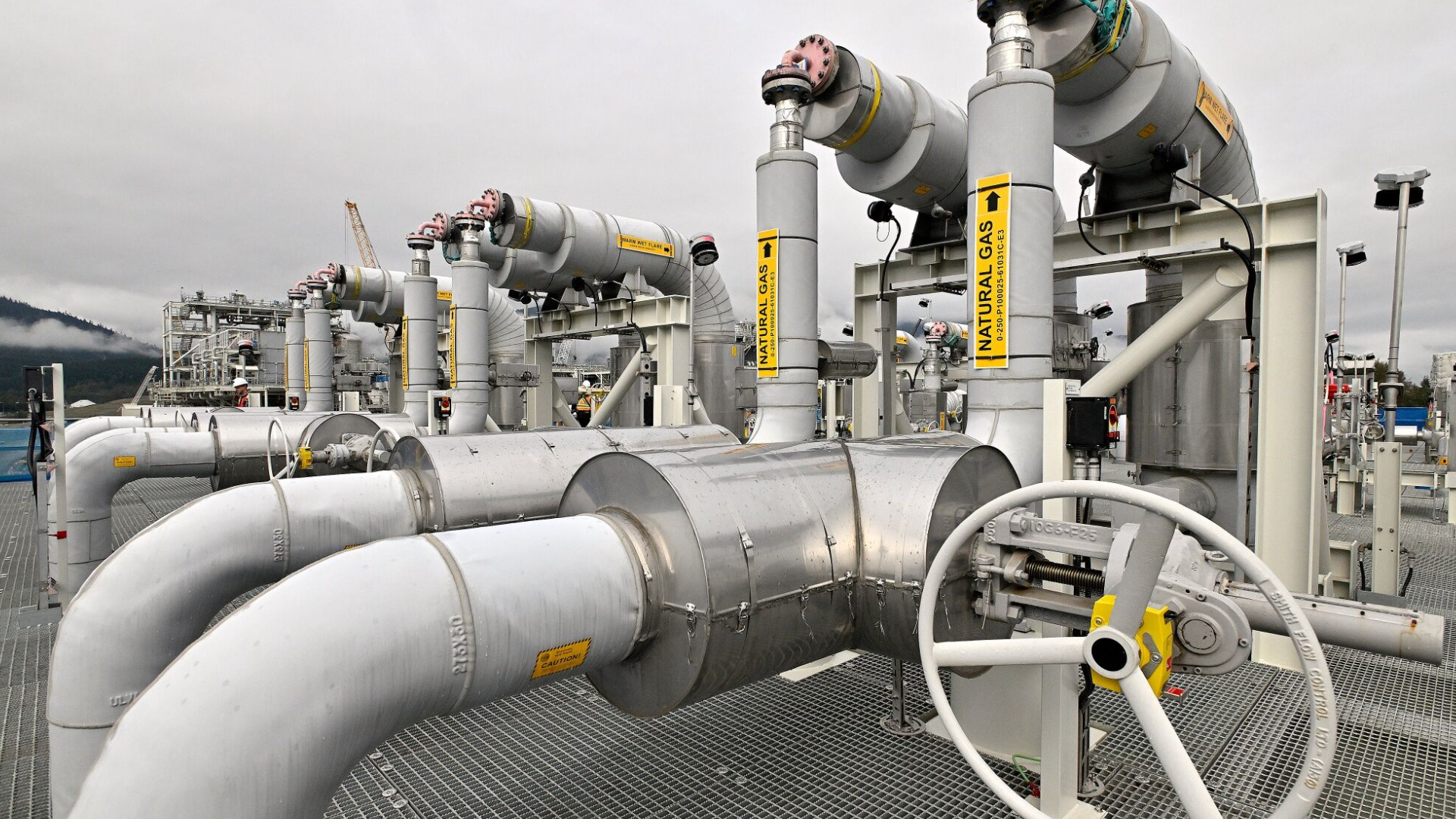
The development carries particular significance for Northeast B.C. because Coastal GasLink transports natural gas from the region to the LNG Canada export facility in Kitimat.
The 670-kilometre pipeline currently transports approximately 2.1 billion cubic feet of natural gas per day and serves as the direct link between Northeast B.C.’s natural gas fields and overseas LNG markets.
The proposed investment also comes as Coastal GasLink prepares for a major expansion tied to LNG Canada’s Phase 2 project.
TC Energy has announced plans for a $4.9-billion expansion that would nearly double pipeline capacity to approximately 4.5 billion cubic feet per day through the addition of new compressor stations and other upgrades. Construction is expected to begin in 2027.
The latest transaction is expected to be announced in Vancouver Thursday.